Introduction
Most people have heard the term “slow fashion” thrown around. It sounds good. It feels right. But what does it actually mean when a brand claims to be slow fashion — and how do you know if they’re walking the talk or just talking?
This blog pulls back the curtain on what slow fashion genuinely looks like in practice — from the hands that cut the fabric to the decisions made before a single piece ever reaches you. If you’ve been trying to shop more intentionally and support Indian sustainable clothing, this one’s for you.
It Starts Long Before the Stitch
Fast fashion moves fast for a reason — decisions are made in boardrooms, not workrooms. Slow fashion flips that.
For a made in India clothing brand that genuinely follows slow fashion principles, the process starts weeks — sometimes months — before production. It begins with questions:
- What does this fabric do to the environment?
- Who is growing, weaving, or dyeing this?
- Does this silhouette have longevity, or is it chasing a trend that’ll be dead in 90 days?
Fabric sourcing is often the most time-consuming step. Responsible brands spend time visiting mills, understanding weave counts, checking dye certifications, and working with artisans who’ve spent generations mastering a craft. That’s not something you can rush — and when brands do rush it, corners get cut in ways the customer never sees but eventually feels.
The People Behind the Label
One of the clearest markers of slow fashion is who makes the clothes and how they’re treated.
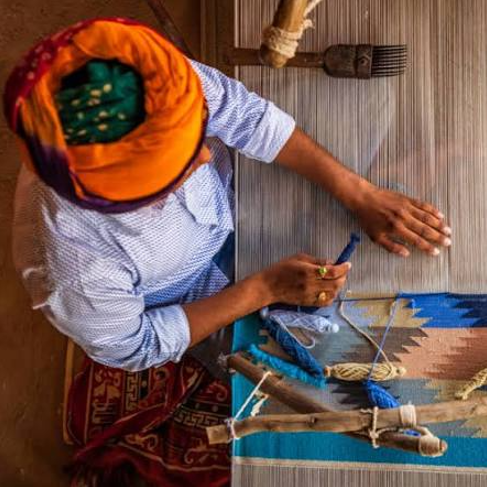
Homegrown fashion brands India worth supporting are typically the ones with small, skilled production teams — not massive factory floors running 24-hour shifts. These are tailors, embroiderers, block printers, and karigars who are paid fairly, work reasonable hours, and take pride in what they create.
Here’s what that looks like on the ground:
- Smaller batch production — pieces are made in limited quantities, not thousands of units
- Direct relationships with artisans — brands know their makers by name, not just by vendor codes
- Skill preservation — techniques like hand embroidery, natural dyeing, or handloom weaving are actively kept alive
- Fair wages — production timelines account for the time quality work actually takes
This is where slow fashion gets personal. When you buy Indian brands online that operate this way, your purchase isn’t just a transaction. It’s sustaining a livelihood.
Fabric, Waste, and the Hard Choices
Sustainability in fashion isn’t a feature — it’s a series of ongoing, often inconvenient decisions.
For premium Indian fashion brands that are serious about slow fashion, the conversation around fabric and waste is constant. Some of the harder choices they make include:
Choosing natural over synthetic — Cotton, linen, silk, and handloom fabrics biodegrade. Polyester doesn’t. Using natural fibres often costs more and requires more careful handling, but it’s a non-negotiable for brands that care about the full lifecycle of a garment.
Dealing with fabric waste responsibly — Even the best pattern-makers create offcuts. Slow fashion brands find ways to use them — as accessories, patchwork, packaging, or donations to local artisans who can repurpose them.
Avoiding overproduction — This one is hard. Making fewer pieces means potentially selling out and losing customers who couldn’t get something in time. But overproduction is one of fashion’s biggest problems. Deadstock sitting in a warehouse is money wasted and fabric that often ends up in a landfill.
Saying no to trend-chasing — Indian clothing brands online built on slow fashion principles design for wearability across seasons, not for the 15-second trend cycle on social media.
These aren’t headline-grabbing moves. They’re quiet, principled decisions made every season.
What Slow Fashion Looks Like in the Product Itself
When all of the above is done right, you feel it in the garment.
Slow fashion pieces are built to be worn repeatedly, washed without falling apart, and loved for years. Here’s what sets them apart from their fast fashion counterparts:
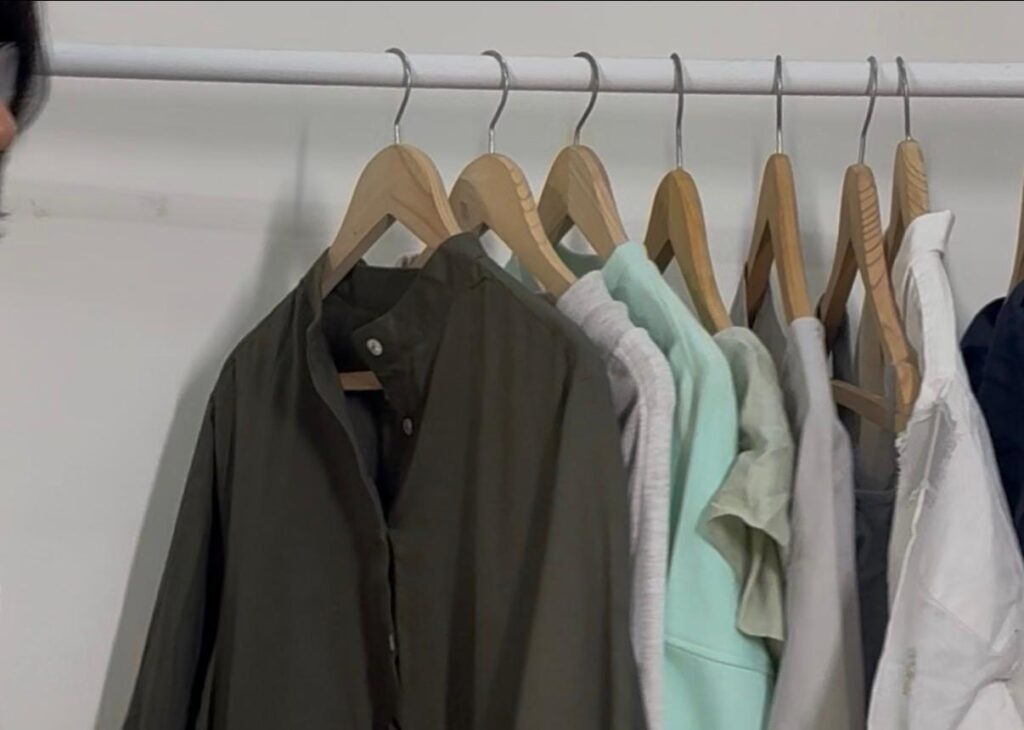
- Heavier, better-quality fabric that drapes and ages well
- Finished seams and clean interiors — the inside of the garment looks nearly as good as the outside
- Consistent stitching with attention to stress points like armholes and hems
- Thoughtful fit that accounts for real bodies, not just fit models
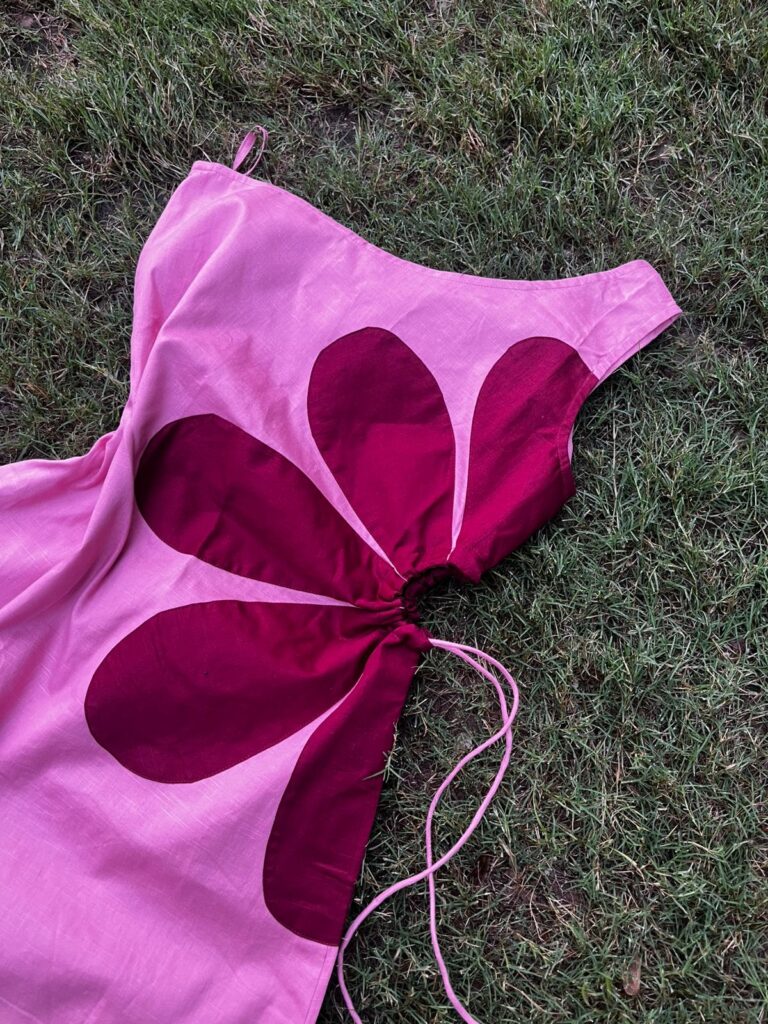
- Details that mean something — a hand-block print, a hand-stitched border, a fabric that tells the story of a specific region
When you’re shopping Indian sustainable clothing, these are the things to look for. A ₹4,000 kurta from a slow fashion brand isn’t the same as a ₹400 one — not because of the logo, but because of everything that went into making it and everything that won’t fall apart after six washes.
Transparency as a Practice, Not a PR Move
The slow fashion brands that deserve your trust are the ones who talk about their process even when it’s messy.
Real transparency looks like:
- Showing where and how garments are made — not just in polished brand films but in the everyday content they put out
- Acknowledging when something didn’t work — a fabric that didn’t perform as expected, a production delay, a design that needed rethinking
- Being honest about price — explaining why something costs what it costs without being defensive about it
- Inviting customers into the conversation — asking for feedback, listening to it, and actually changing things
Greenwashing, on the other hand, looks like vague buzzwords — “eco-conscious,” “sustainable ethos,” “earth-friendly” — with nothing concrete to back them up. If a brand can’t tell you where their fabric comes from or who made your clothes, that’s worth noticing.
Why This Matters for You as a Consumer
You don’t have to be a fashion expert to make better choices. But understanding what slow fashion actually involves helps you see the value in what you’re buying.
When you consciously choose to buy Indian brands online that operate this way, you’re:
- Supporting local artisans and craft traditions
- Reducing demand for exploitative, environmentally damaging fast fashion
- Getting pieces that last longer and genuinely look better over time
- Investing in an industry that’s trying to do things differently
India has one of the richest textile traditions in the world. Slow fashion, when done right, is a way of honouring that — not just as a cultural artifact, but as a living, evolving practice.
Conclusion
Slow fashion isn’t an aesthetic. It’s an entire approach to how clothing is sourced, made, priced, and worn.
Behind every piece from a brand doing this work is a longer timeline, a smaller team, more expensive materials, and a genuine belief that clothing should be made well and made to last. It’s not glamorous. It’s not always fast or convenient. But it’s honest.
The next time you’re considering a purchase, ask a few simple questions: Do I know where this was made? Does this brand show me who made it? Will I wear this five years from now?
If the answers are yes, you’re probably shopping slow.