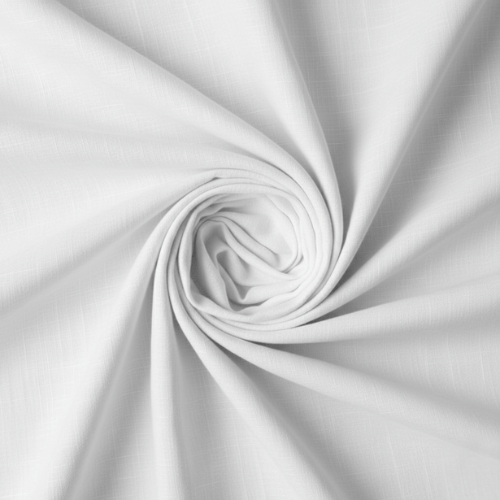
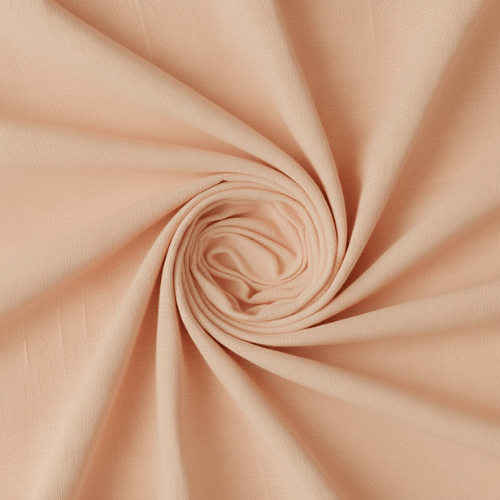
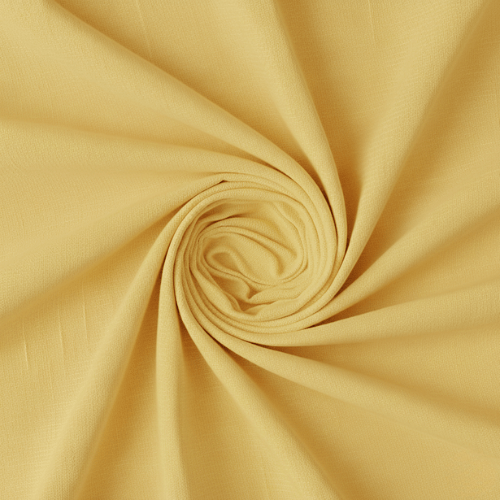
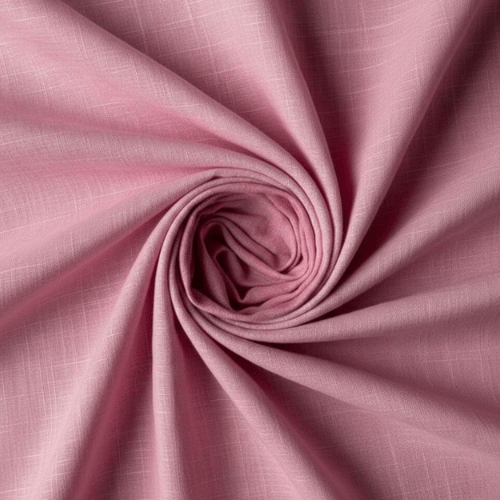
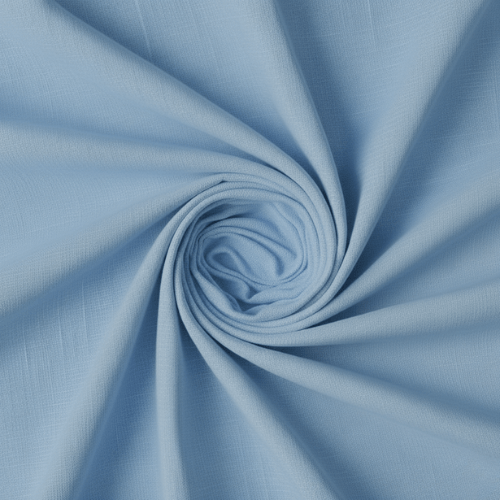
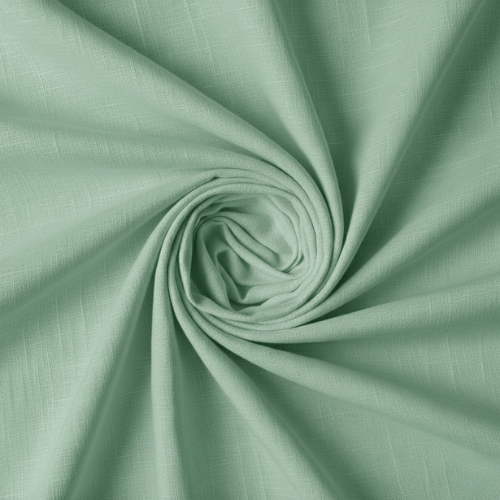
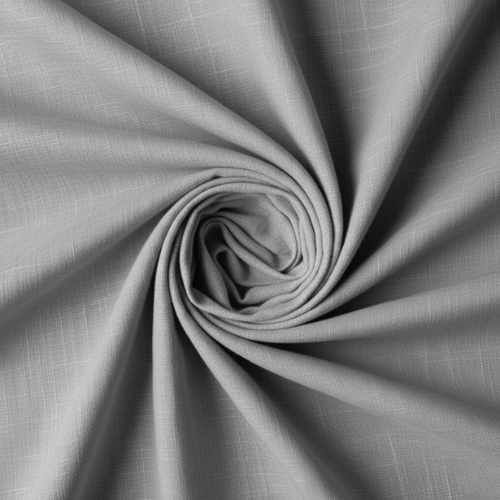
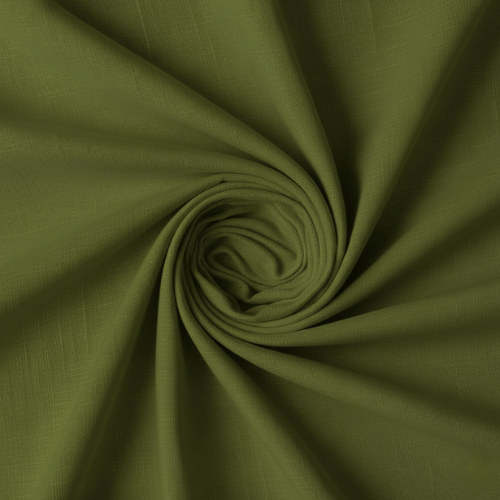
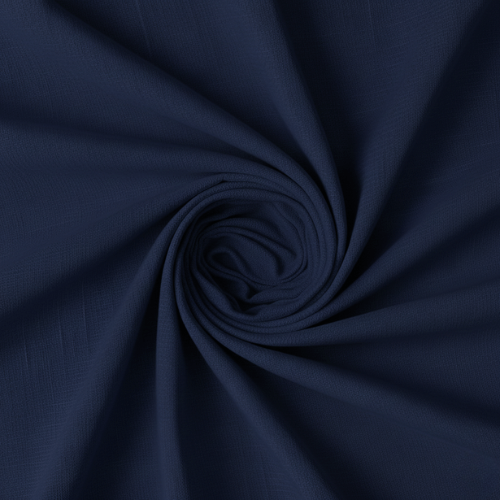
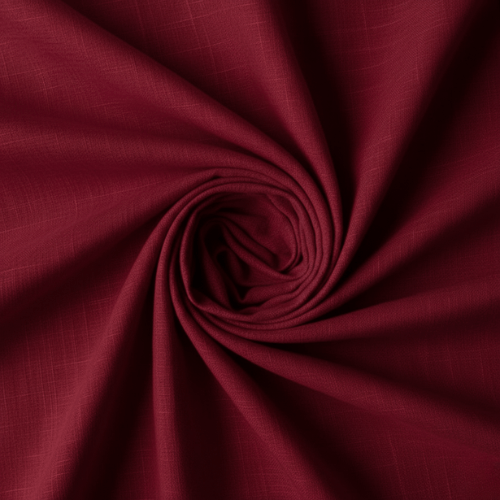
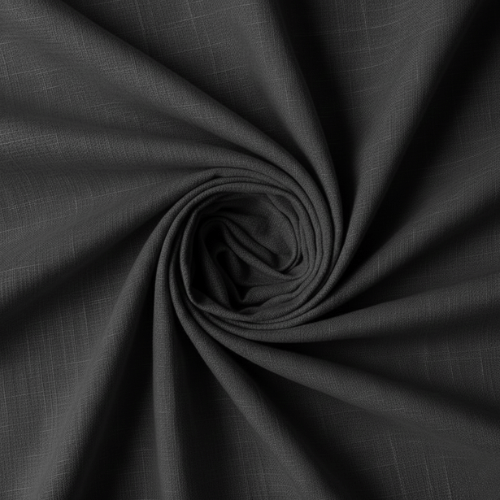
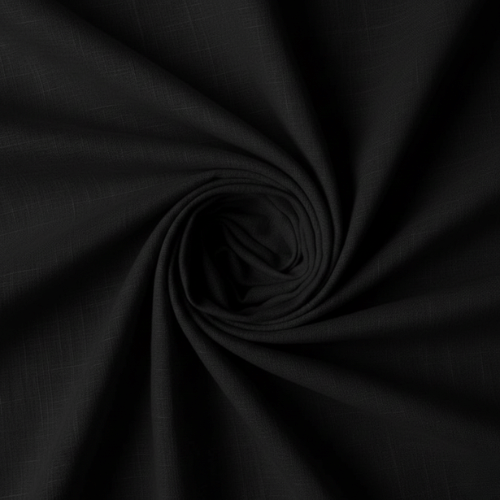
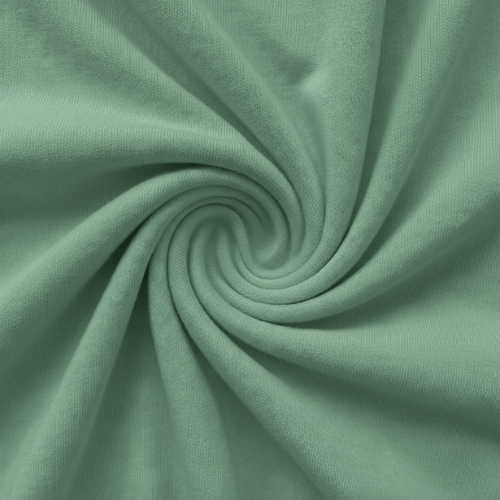
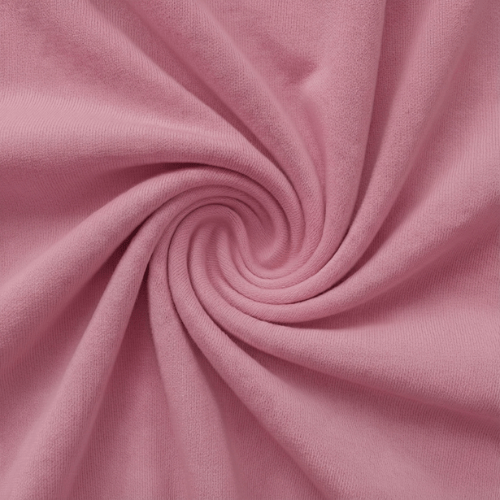
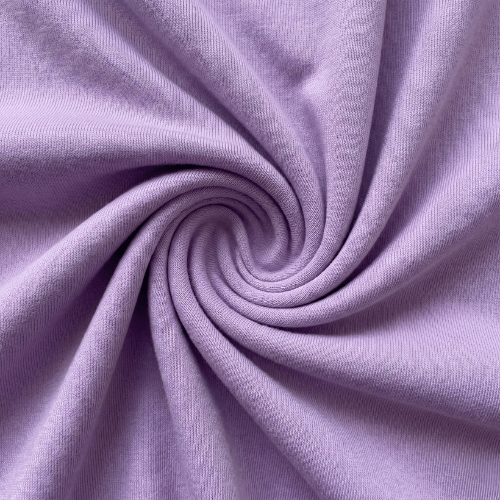
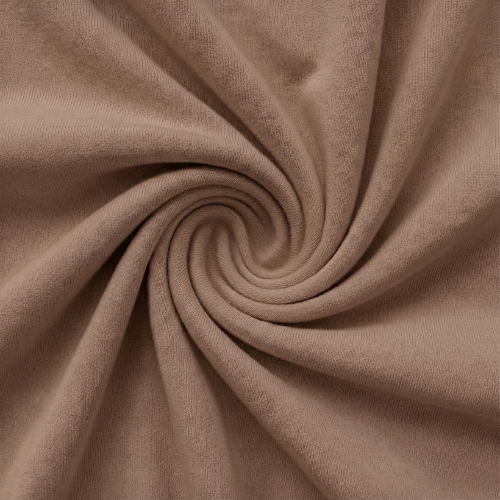
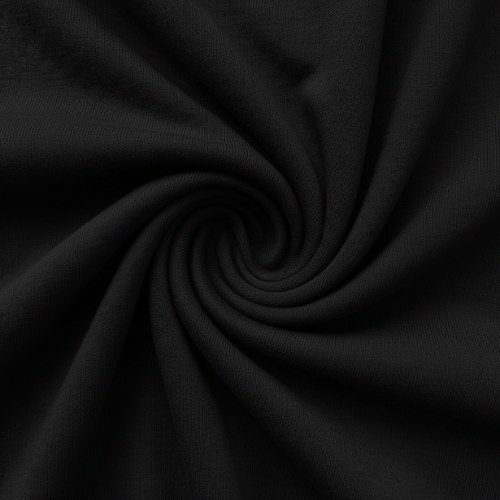
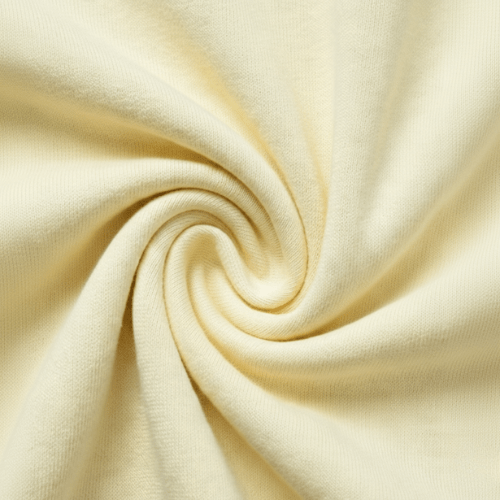
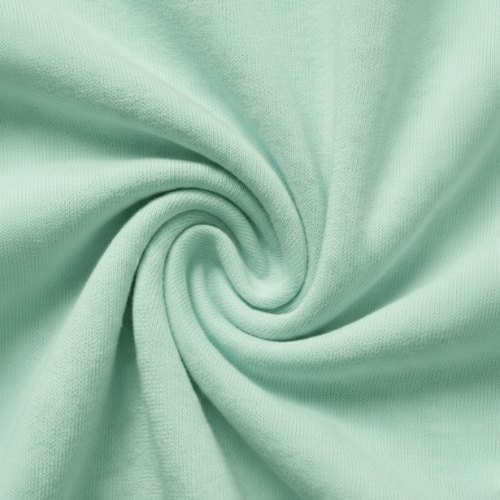
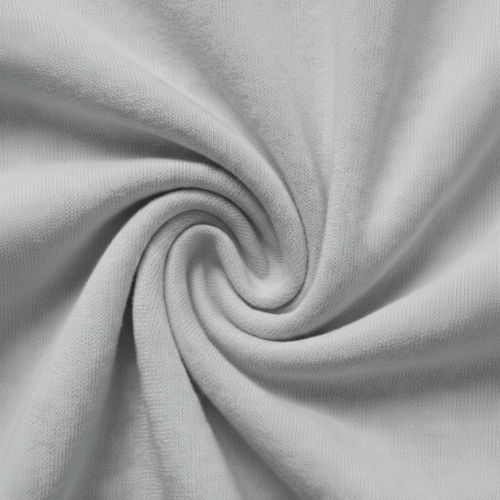
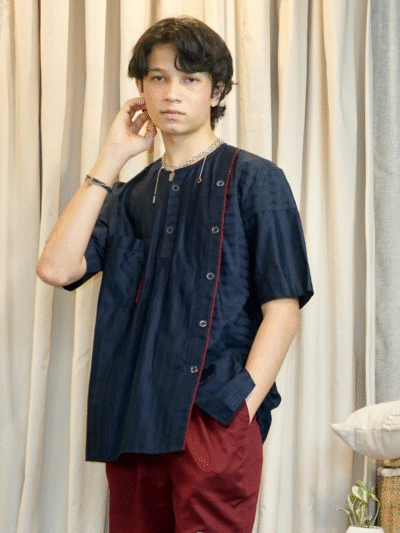
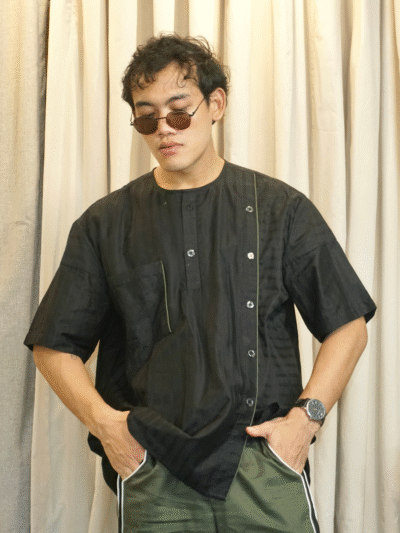
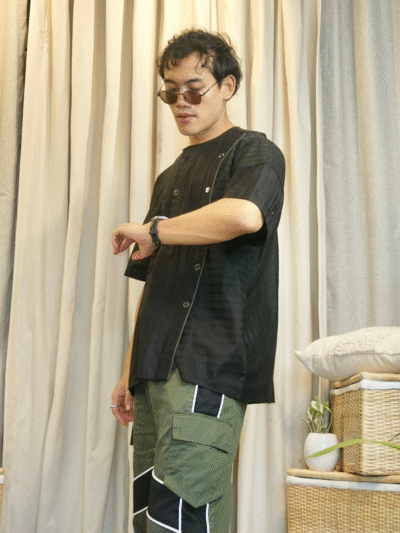
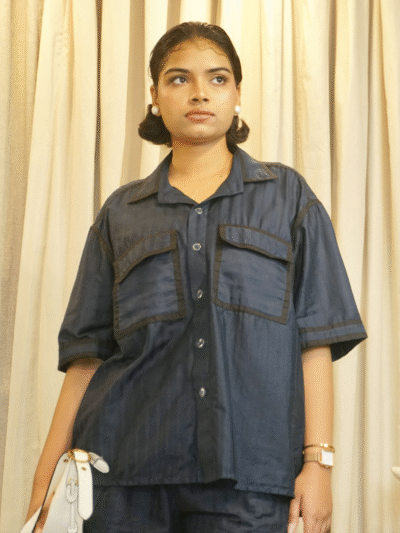
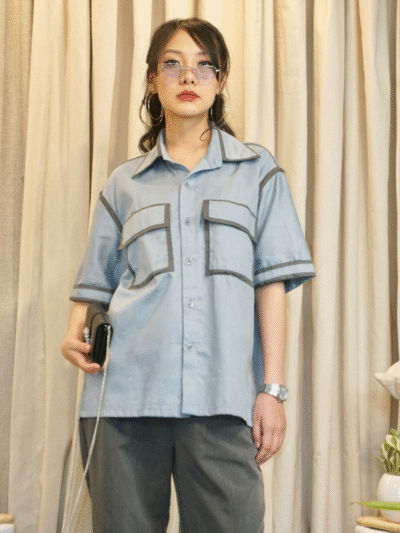
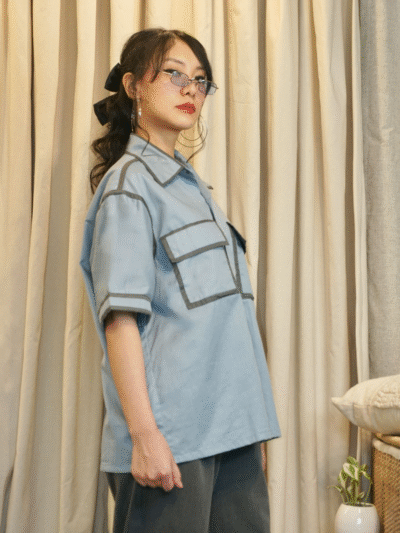
From raw fiber to finished fabric, follow the journey of creation. Read on to explore the step-by-step craftsmanship behind Cotton Slub.
Cotton fibers are spun into yarn using traditional or automated spinning methods. During the spinning process, the yarn is intentionally made uneven by varying the amount of tension, or by using varying lengths of cotton fibers in the yarn. This creates the characteristic slubs or thicker sections.
The slub yarn is then woven or knitted into the fabric using conventional techniques. The uneven texture of the yarn results in a fabric with a distinct, textured surface.
Slub fabrics undergo finishing processes like pre-washing, pre-shrinking and softening to improve their feel and durability.
They are then dyed or printed to create various colors and patterns.
The uneven texture of slub fabric makes it feel more natural and can give it a slightly rustic or vintage appearance. The slubs also contribute to the fabric’s durability and breathability.
Available in 12 colours
Discover our collection of outfits, which are ready to wear in an expanded palette of 12 different colours
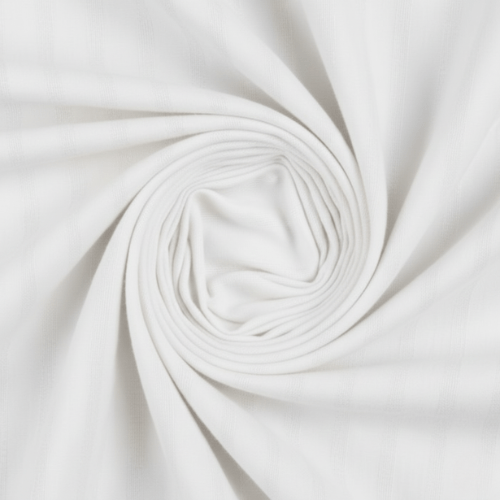
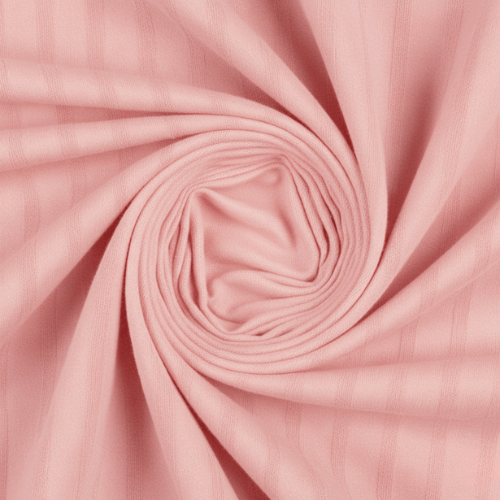
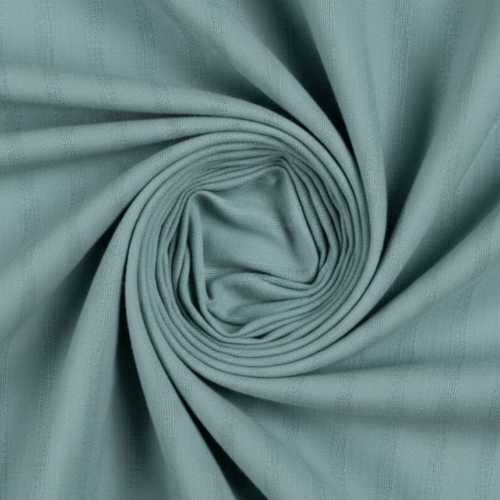
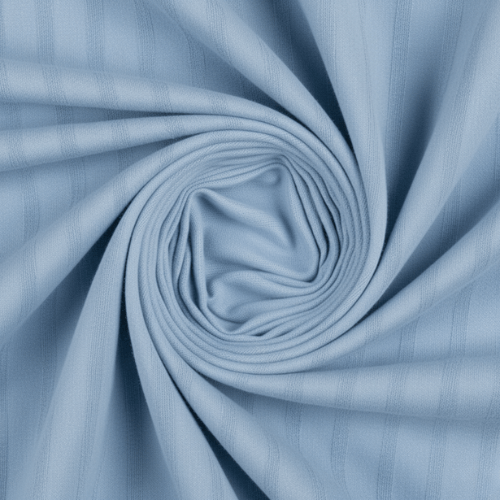
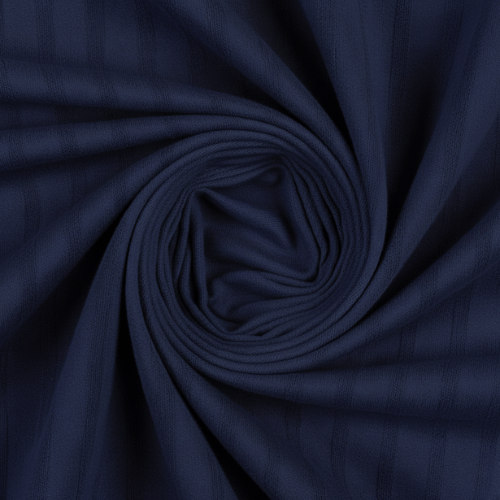
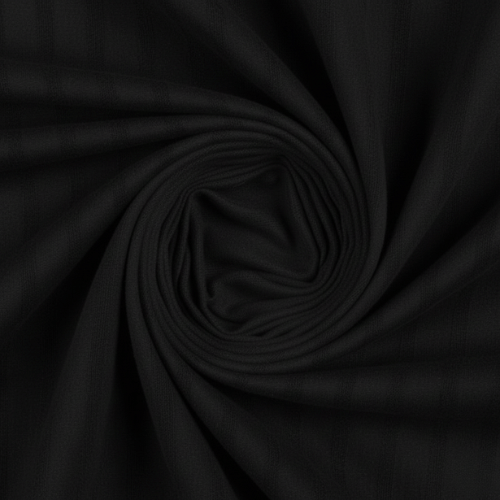
Striped Cotton Blend
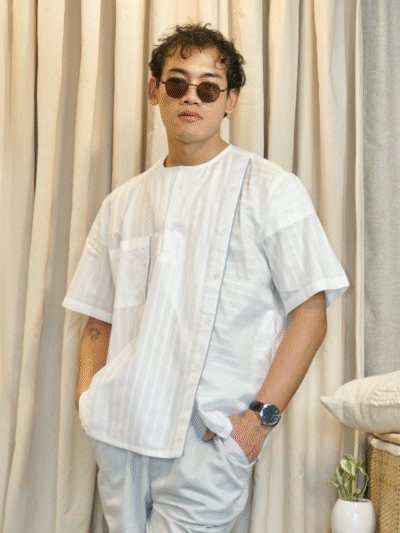
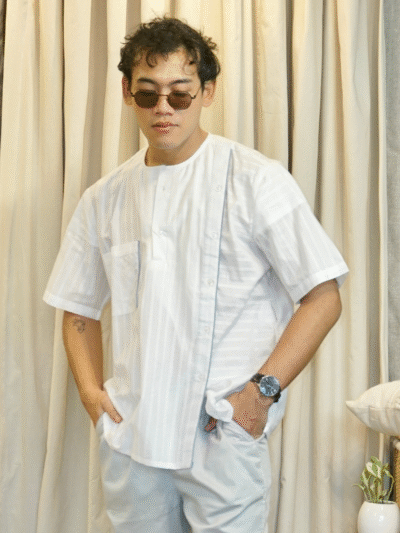
From raw fiber to finished fabric, follow the journey of creation. Read on to explore the step-by-step craftsmanship behind Striped Cotton Blend.
Cotton fibers are spun into yarns. For textured stripes, sometimes different types of yarns (e.g., varying twists or thicknesses) might be prepared.
The yarns are woven on a loom, with certain warp threads held at different tensions to create the textured stripe effect.
The woven fabric undergoes desizing (removing starches), washing, and drying. This washing and relaxing is crucial for the textured effect to fully develop.
The fabric is then softened and dyed to achieve the result.
Once finished, this striped cotton fabric is a breathable and lightweight textile, distinguished by its unique puckered or ridged texture that forms subtle stripes, offering comfort and a casual, stylish appearance.
Available in 6 colours
Discover our collection of outfits, which are ready to wear in an expanded palette of 6 different colours
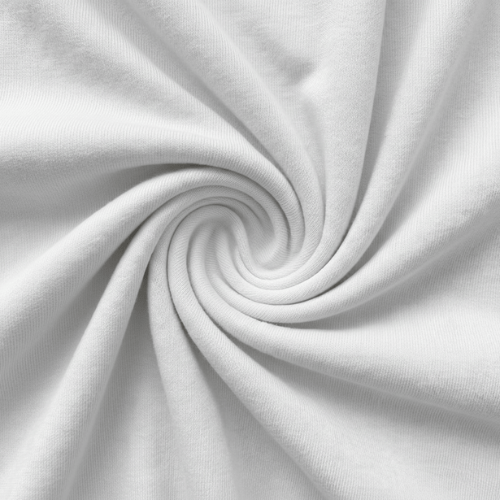
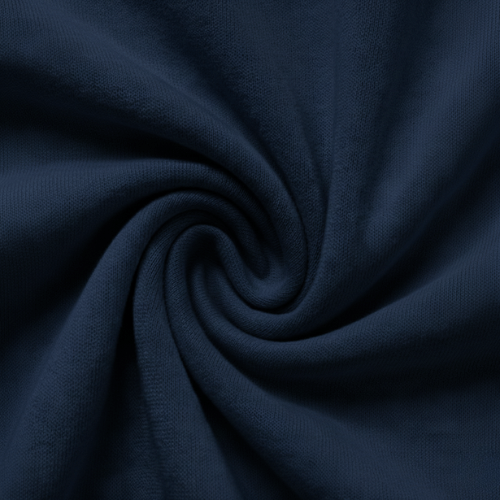
Single Jersey Knit
From raw fiber to finished fabric, follow the journey of creation. Read on to explore the step-by-step craftsmanship behind Single Jersey Knit.
The polyester and cotton yarns are mixed in the specified proportions (60% polyester and 40% cotton) to create the desired fabric blend.
The blended yarn is then fed into a knitting machine. There are various types of knitting machines, including flat knitting machines and circular knitting machines. These machines use needles to create interlinked loops of yarn, resulting in a knit fabric.
The knitting process is carefully controlled to ensure a consistent fabric structure and weight. The specific machine settings and the yarn tension are adjusted to achieve the desired GSM (160gsm).
The fabric then gets treated with chemicals to enhance its durability and softness and later dyed.
Once finished, single jersey knit fabric is characterized by its smooth, soft hand, excellent drape, and comfortable stretch, making it ideal for everyday wear.
Available in 7 colours
Discover our collection of outfits, which are ready to wear in an expanded palette of 7 different colours
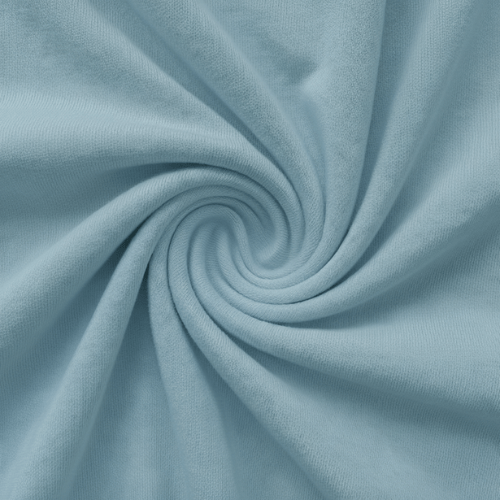
Knitted Fleece
From raw fiber to finished fabric, follow the journey of creation. Read on to explore the step-by-step craftsmanship behind Knitted Fleece.
Cotton and polyester fibers are spun into yarn using standard spinning systems. The blend ratio determines the characteristics of the final fabric.
The yarn is fed into a knitting machine, which creates a continuous tube of fabric. This machine uses needles to interlock the yarn, forming the knit structure.
To create the fleece texture, the knitted fabric is then processed through a napper, which raises the fibers on the surface. This is followed by a shearing machine, which cuts the raised fibers to achieve the desired pile and texture.
The fabric may then be finished with various treatments like dyeing, printing, or applying special finishes for water resistance or wrinkle resistance.
Once finished, fleece fabric is known for its soft, brushed surface and excellent warmth-to-weight ratio, making it incredibly comfortable and insulating.
Available in 4 colours
Discover our collection of outfits, which are ready to wear in an expanded palette of 4 different colours
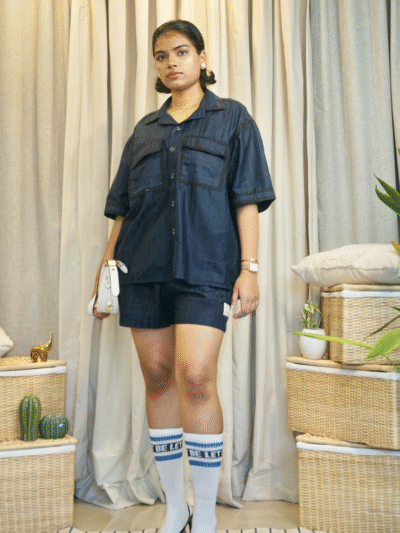
Denim
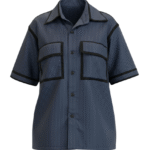
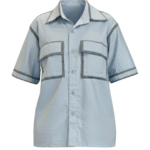
From raw fiber to finished fabric, follow the journey of creation. Read on to explore the step-by-step craftsmanship behind Denim.
Cotton fibers are spun into strong, durable yarns for both the warp (lengthwise) and weft (crosswise) threads.
Warp yarns are repeatedly dipped into indigo dye, where only the outer layer of the fiber is coloured, leaving the core undyed. Weft yarns are typically left undyed or lightly coloured.
The prepared warp and weft yarns are woven together usually using a twill weave which forms the characteristic diagonal lines on the fabric surface.
After weaving, the denim cloth gets cleaned, smoothed, and pre-shrunk. Then, it might get extra baths or treatments to make it soft, faded, or have a cool look.
Once finished, denim fabric is a durable, rugged textile known for its distinctive twill texture, characteristic indigo blue colour, and unique ability to fade and soften over time, making it a timeless choice for sturdy apparel.
Organza
From raw fiber to finished fabric, follow the journey of creation. Read on to explore the step-by-step craftsmanship behind Organza
Fine silk, polyester, or nylon fibers are spun into smooth, tightly twisted yarns for both the warp (lengthwise) and weft (crosswise) threads.
Warp yarns are prepared with sizing and tension control to ensure strength and smoothness during weaving. Weft yarns are kept fine and uniform to maintain the fabric’s sheer and balanced structure.
The prepared warp and weft yarns are woven together using a plain weave, creating the fabric’s sheer, crisp structure and smooth surface.
After weaving, the denim cloth gets cleaned, smoothed, and pre-shrunk. Then, it might get extra baths or treatments to make it soft, faded, or have a cool look.
Once finished, organza fabric is a lightweight, sheer textile known for its crisp hand feel, smooth surface, and translucent appearance, making it a refined choice for structured and decorative garments.