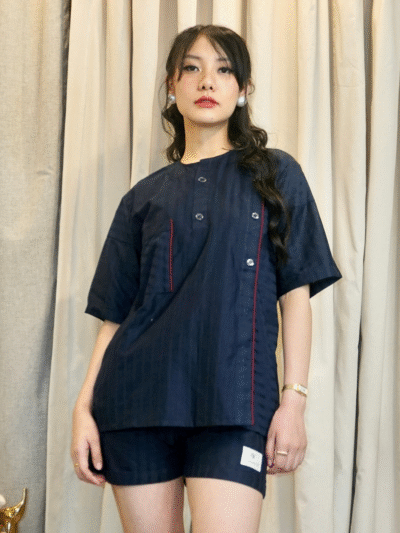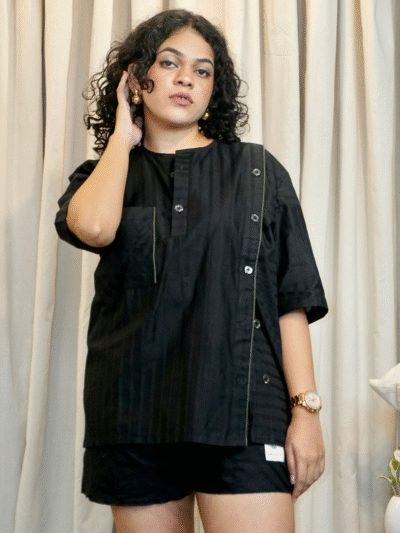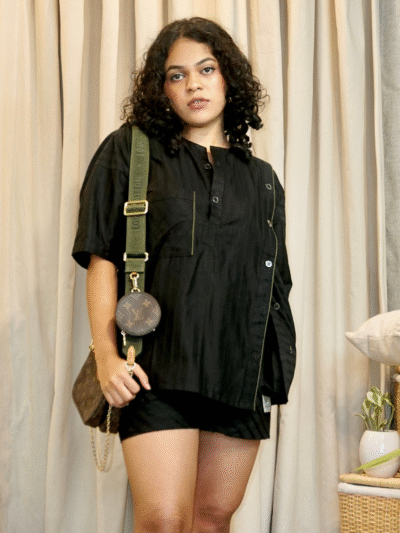
Not all clothes are created equal. Two garments may look similar, yet one lasts years while the other fades quickly. Knowing how to identify premium garment construction helps you shop smarter.
This clothing quality check guide will help you choose pieces that truly last.
Why Clothing Quality Matters
Low-quality clothing often leads to:
- Frequent replacements
- Faded colors
- Loose threads
- Poor fit over time
Buying durable clothes reduces waste and saves money. Quality is not just luxury. It is of long-term value.
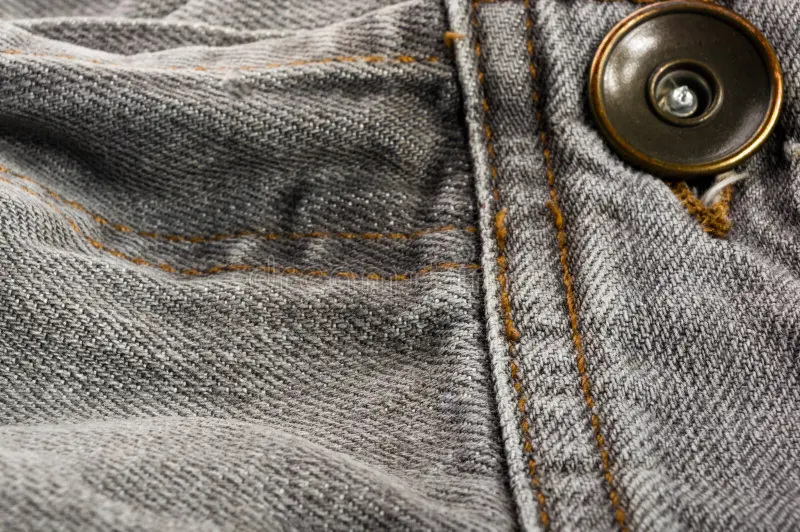
Step 1: Examine The Fabric First
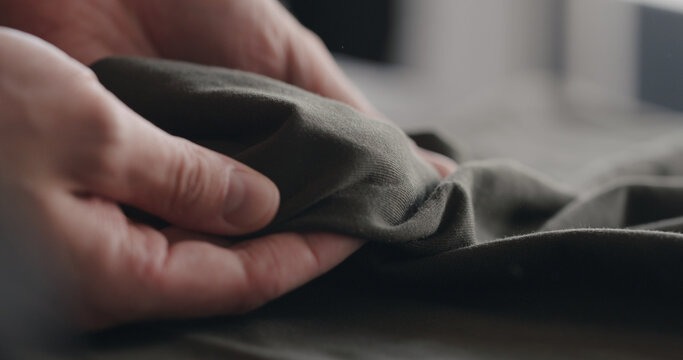
Fabric is the foundation of any garment.
During a clothing quality check, ask:
- Does it feel smooth and strong?
- Is the weave tight and even?
- Does it bounce back after stretching?
Thin, transparent fabric often signals lower durability. Strong fibers hold structure longer.
Fabric stitching quality means little if the material itself is weak.
Step 2: Inspect The Stitching Closely
Premium garment construction shows in the seams.
Look for:
- Straight, even stitches
- No loose threads
- Tight seam finishing
- Double stitching in stress areas
Gently pull at seams. If you see gaps, the stitching is weak. Strong seams increase longevity.
Good fabric stitching quality ensures the garment survives frequent wear.
Step 3: Check The Inside Finishing
Turn the garment inside out.
High-quality clothing usually includes:
- Clean seam bindings
- Lined interiors
- Reinforced hems
- Neatly finished edges
Messy interiors often indicate rushed production. Premium garment construction focuses on inside details too.
Step 4: Test The Structure And Shape
Structure determines how clothes hold up over time.
Ask yourself:
- Does the blazer hold its form?
- Do trousers maintain a sharp crease?
- Does the collar stay firm?
Well-structured garments maintain their silhouette even after washing.
Shape retention is a key sign when buying durable clothes.
Step 5: Evaluate The Weight Of The Fabric
Fabric weight often signals quality.
Lightweight does not mean weak. But it should not feel flimsy.
Hold the fabric up to light. If it appears overly sheer without intention, it may not last.
Balanced weight usually supports durability.
Step 6: Examine Buttons, Zippers, And Hardware
Small details reveal big truths.
Check if:
- Buttons feel secure
- Zippers glide smoothly
- Hooks are firmly attached
- Hardware feels solid, not hollow
Weak accessories shorten a garment’s life. Premium garment construction includes strong hardware.
Step 7: Read The Care Label
The care label reveals fabric composition.
Natural fibers like cotton, linen, and wool often offer breathability and durability. Blends can add strength when designed thoughtfully.
Understanding fabric composition improves your clothing quality check process.
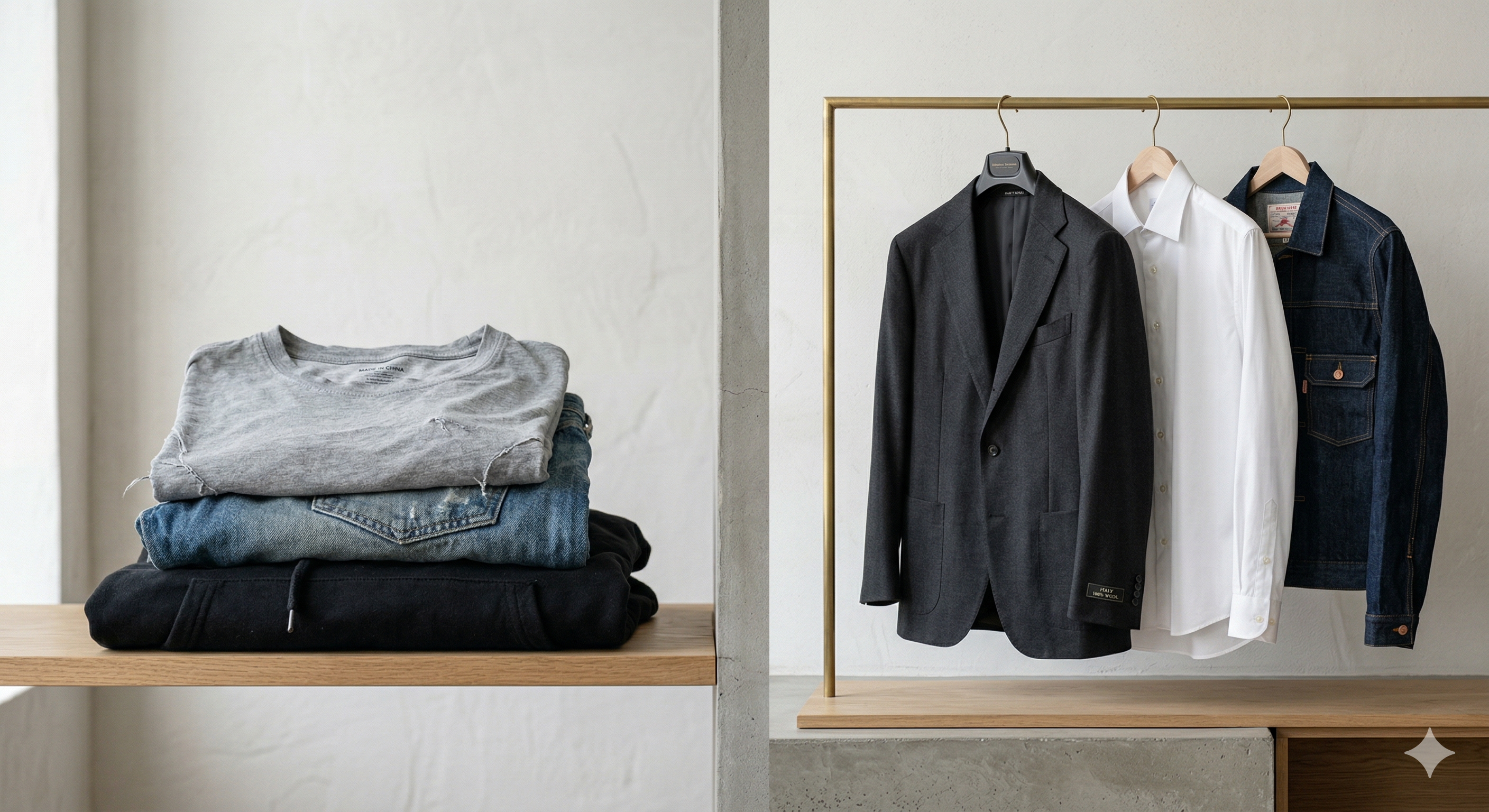
Common Signs Of Poor Quality
Avoid garments with:
- Uneven stitching
- Loose threads
- Twisted seams
- Weak elastic
- Excess pilling
These signs suggest short lifespan.
Buying durable clothes requires attention to detail.
Why Investing In Quality Pays Off
Higher-quality garments:
- Maintain color longer
- Resist wear and tear
- Hold structure
- Reduce frequent replacements
Though the initial price may be higher, cost per wear decreases over time.
Quality is always more economical in the long run.
Shop Smarter, Wear Longer
Identifying premium garment construction requires observation and patience. A thorough clothing quality check includes examining fabric stitching quality, interior finishing, and structure. When buying durable clothes, focus on long-term value instead of short-term savings.
Strong fabrics.
Clean stitching.
Thoughtful construction.
These details define truly premium garments.