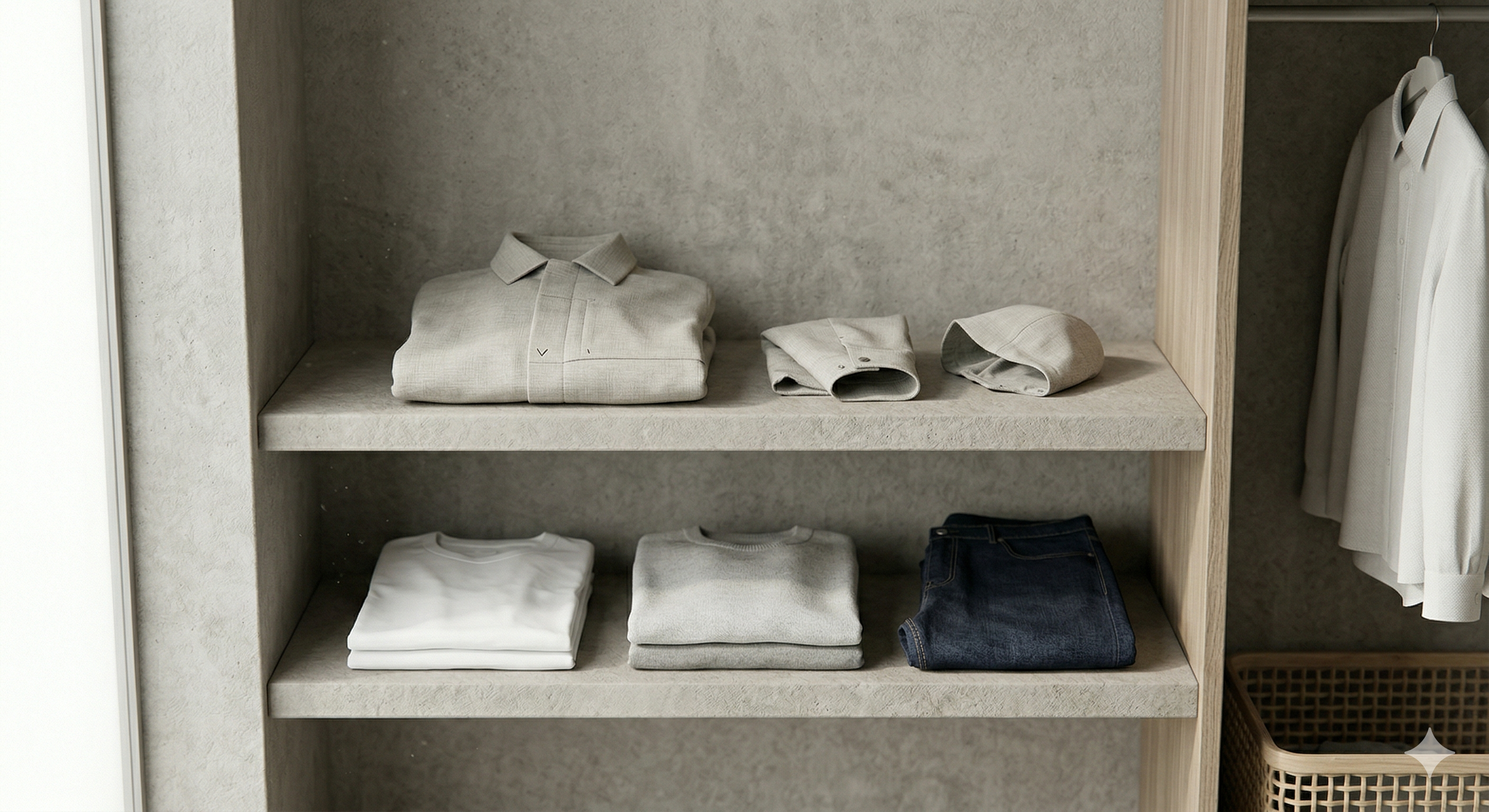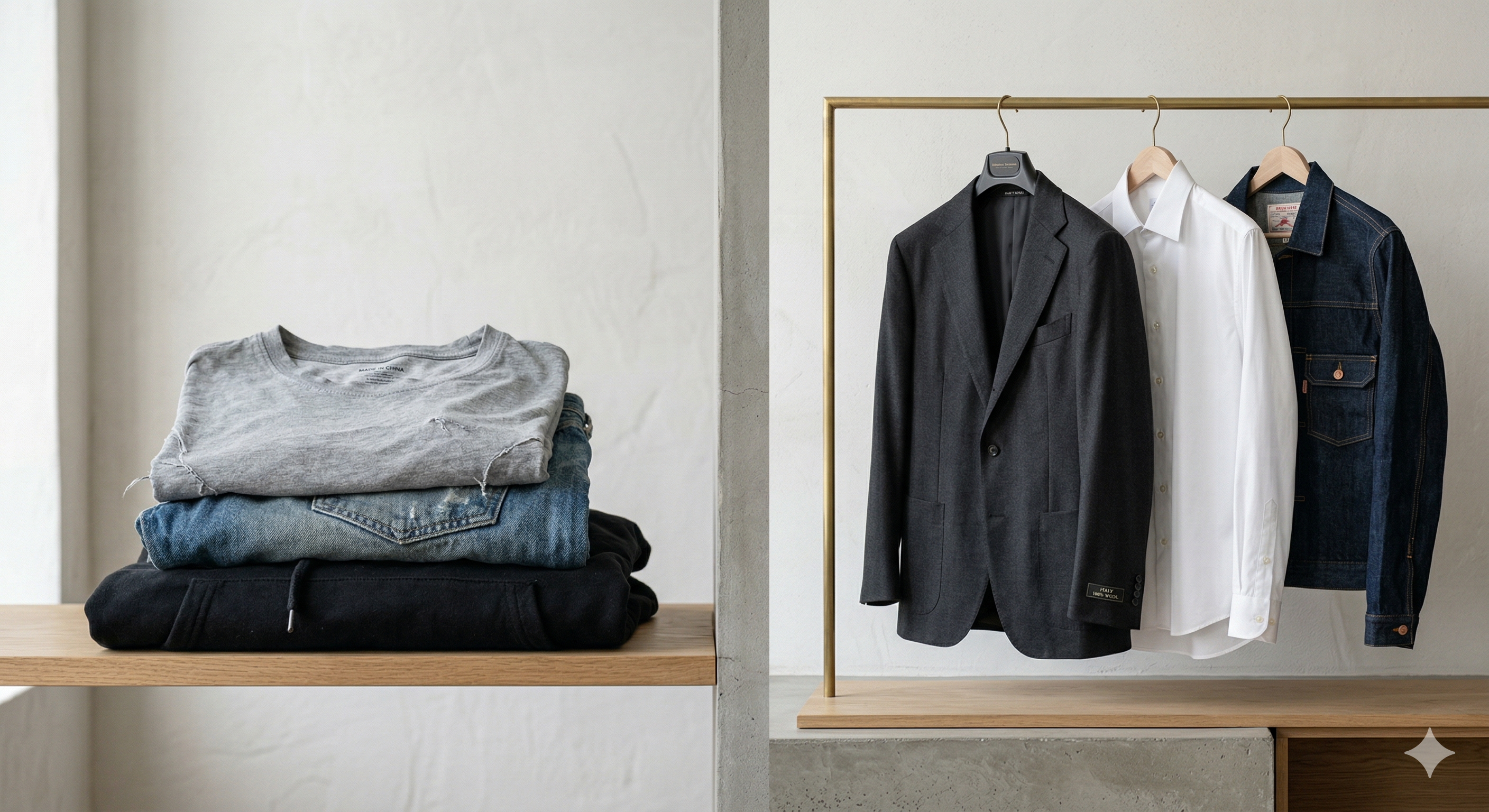
Trends change every season. Opinions change every minute. But your style should remain yours. Learning how to develop personal style is about confidence, not conformity.
When you stop dressing for approval, you begin dressing with intention. That is where real style begins.
Why Dressing For Yourself Matters
When you follow every trend, your wardrobe feels scattered.
When you dress for yourself:
- You feel more confident
- You shop with clarity
- You avoid impulse buying
- You build consistency
Personal style creates identity. It reflects who you are, not what is trending.

Step 1: Understand Your Lifestyle
Before you find your fashion style, ask practical questions.
- What does your daily routine look like?
- Do you attend formal meetings?
- Do you prefer comfort or structure?
- What climate do you live in?
Your wardrobe should support your life. Not complicate it.
Step 2: Identify What Makes You Feel Confident
Notice which outfits make you stand taller.
Pay attention to:
- Silhouettes you repeat often
- Colors you feel powerful in
- Fabrics you enjoy wearing
- Pieces you reach for frequently
Confidence is a strong clue in any signature style guide.
Step 3: Stop Chasing Every Trend
Not every trend fits your personality.
Ask yourself:
- Would I wear this next year?
- Does this align with my lifestyle?
- Does this feel authentic?
Learning how to develop personal style requires saying no.
Timelessness builds stronger wardrobes than trend cycles.
Step 4: Build Around Core Pieces
Every signature style guide begins with essentials.
Start with:
- A structured blazer
- Well-fitted trousers
- Classic denim
- Neutral tops
- One statement piece
These staples create a strong base. Then you can layer personality on top.
Step 5: Create A Style Formula
A style formula reduces confusion.
Examples include:
- Structured top + relaxed bottom
- Monochrome base + bold accessory
- Tailored silhouette + soft texture
Once you find your fashion style, repeat what works. Consistency strengthens identity.
Step 6: Curate, Do Not Accumulate
A closet full of random pieces hides your true style.
Instead:
- Declutter items that feel forced
- Invest in quality basics
- Choose intentional additions
- Avoid emotional purchases
Intentional wardrobes reflect clarity.
Step 7: Own Your Choices
People will always have opinions.
But style is a personal expression. When you dress confidently, others notice your energy more than your outfit details.
The strongest part of any signature style guide is mindset.
Wear what aligns with you. Not what pleases everyone.
Common Mistakes To Avoid
- Copying influencers without adapting
- Ignoring fit
- Dressing for trends over comfort
- Seeking validation constantly
True style does not ask permission.
Style Is Self-Respect
Learning how to develop personal style takes reflection and confidence. When you find your fashion style, you build clarity and strength. A thoughtful signature style guide helps you create consistency without losing individuality.
Dress for your values.
Dress for your goals.
And most importantly, dress without apology.