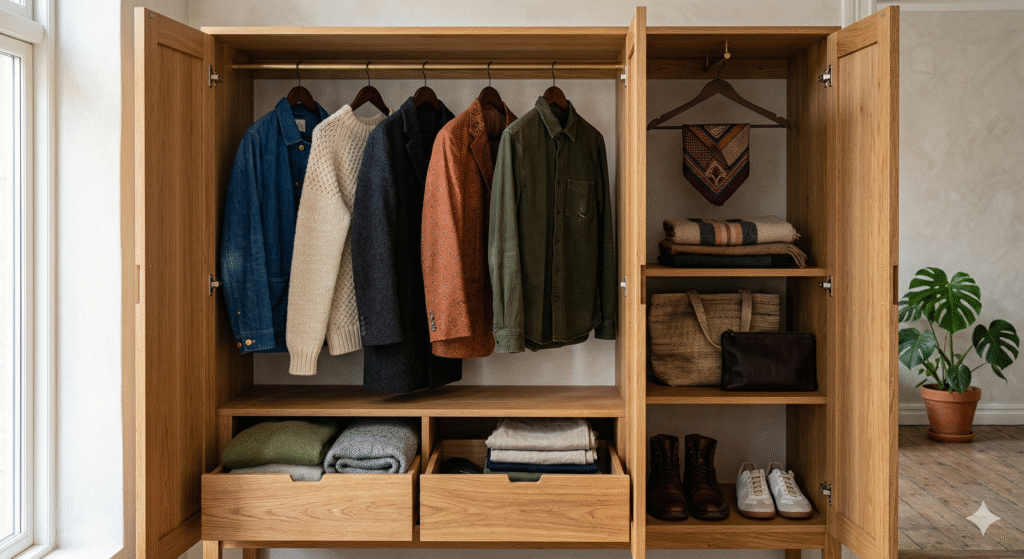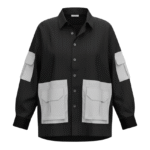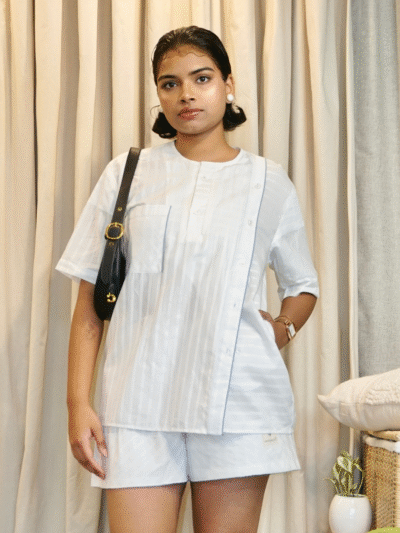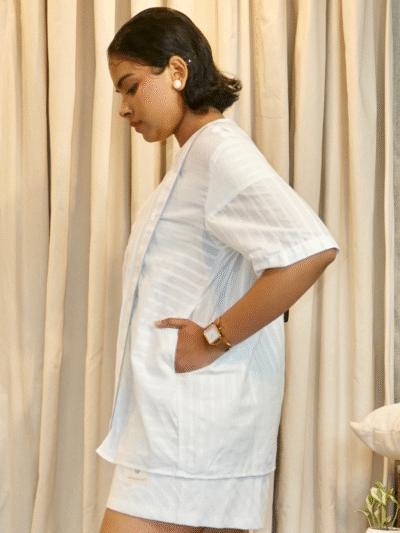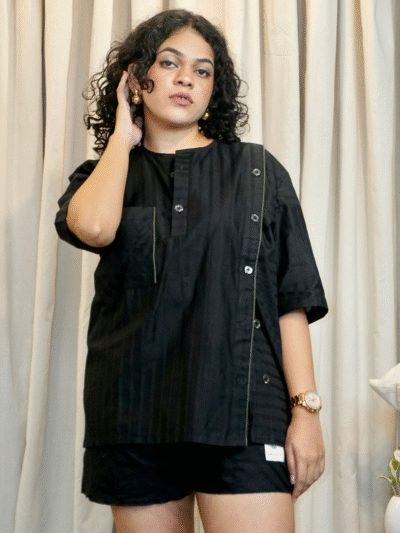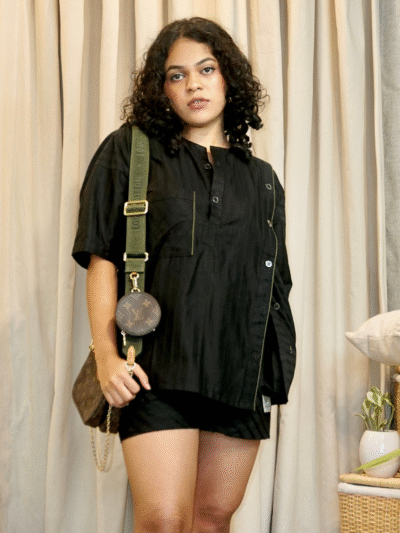

A full closet does not always mean a functional wardrobe. If you often feel like you have nothing to wear, the problem is not quantity. It is lack of clarity.
Effective wardrobe planning helps you build a closet where every piece has a purpose.
Why We Buy Clothes We Don’t Wear
Before fixing the problem, understand the cause.
Common reasons include:
- Impulse shopping
- Following trends blindly
- Buying without outfit planning
- Ignoring lifestyle needs
- Poor wardrobe organization
Without structure, even good pieces go unused.

Step 1: Declutter With Intention
Start with honest editing.
Use these wardrobe decluttering tips:
- Remove items you have not worn in a year
- Let go of pieces that do not fit
- Eliminate uncomfortable clothing
- Set aside trend-based items you no longer love
Decluttering creates space for clarity. This is the foundation of minimalist wardrobe planning.
Step 2: Understand Your Lifestyle
Your wardrobe should match your daily routine.
Ask yourself:
- Do I need more workwear or casual wear?
- How often do I attend events?
- What climate do I dress for?
Wardrobe planning becomes easier when your clothes reflect your life.
Step 3: Build A Core Wardrobe
After decluttering, focus on essentials.
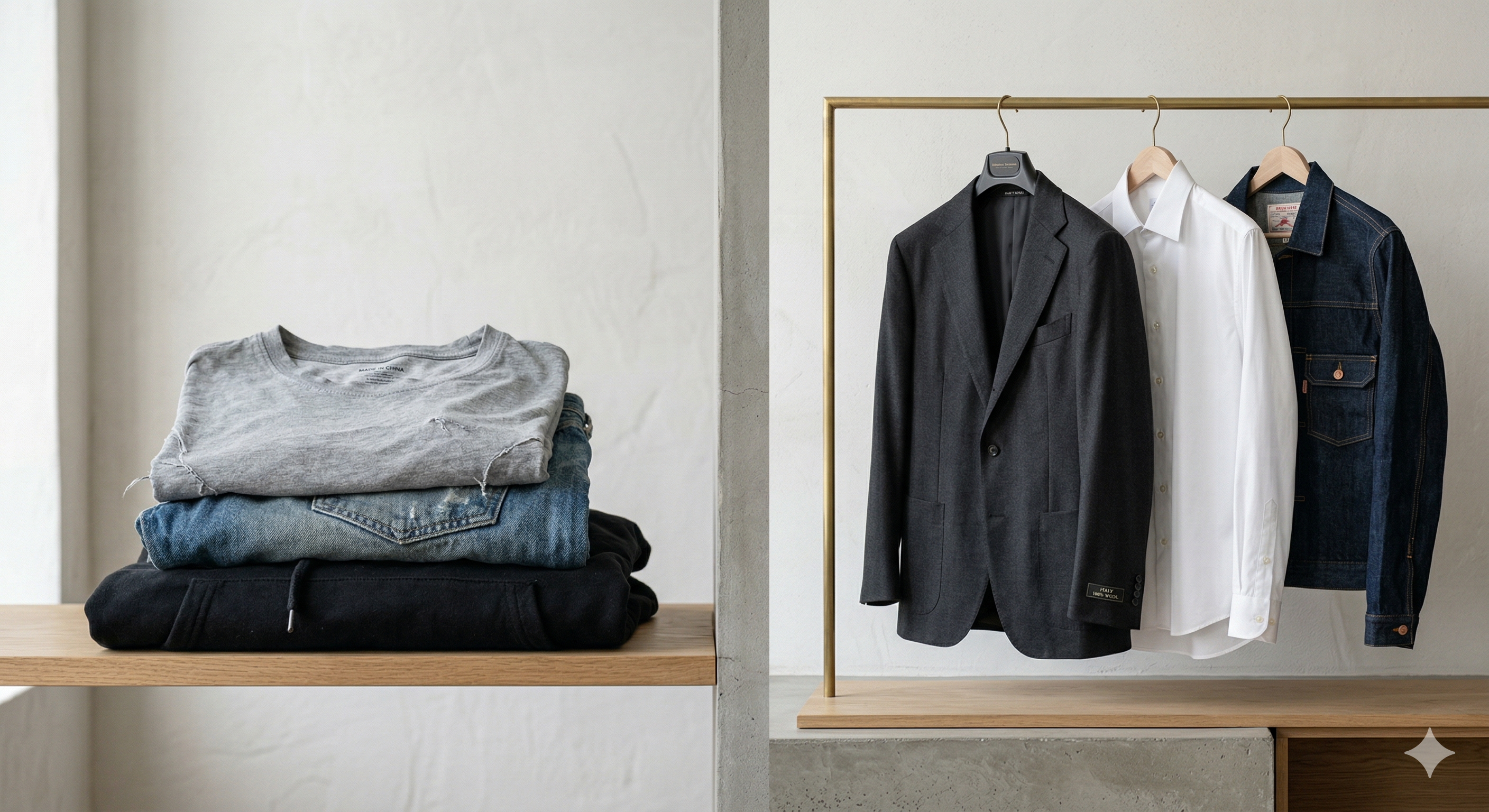
A functional wardrobe may include:
- Tailored trousers
- Classic denim
- Neutral tops
- A structured blazer
- One versatile dress
These basics support multiple outfits. Minimalist wardrobe planning starts with fewer, better pieces.
Step 4: Plan Outfits, Not Just Pieces
One of the best wardrobe organization tips is to think in outfits.
Before buying anything, ask:
- Can I style this in at least three ways?
- Does it match my existing clothes?
- Does it suit my routine?
This approach prevents random purchases.
Step 5: Organize Your Wardrobe Smartly
Learning how to organize your wardrobe improves daily decision-making.
Simple closet organization ideas include:
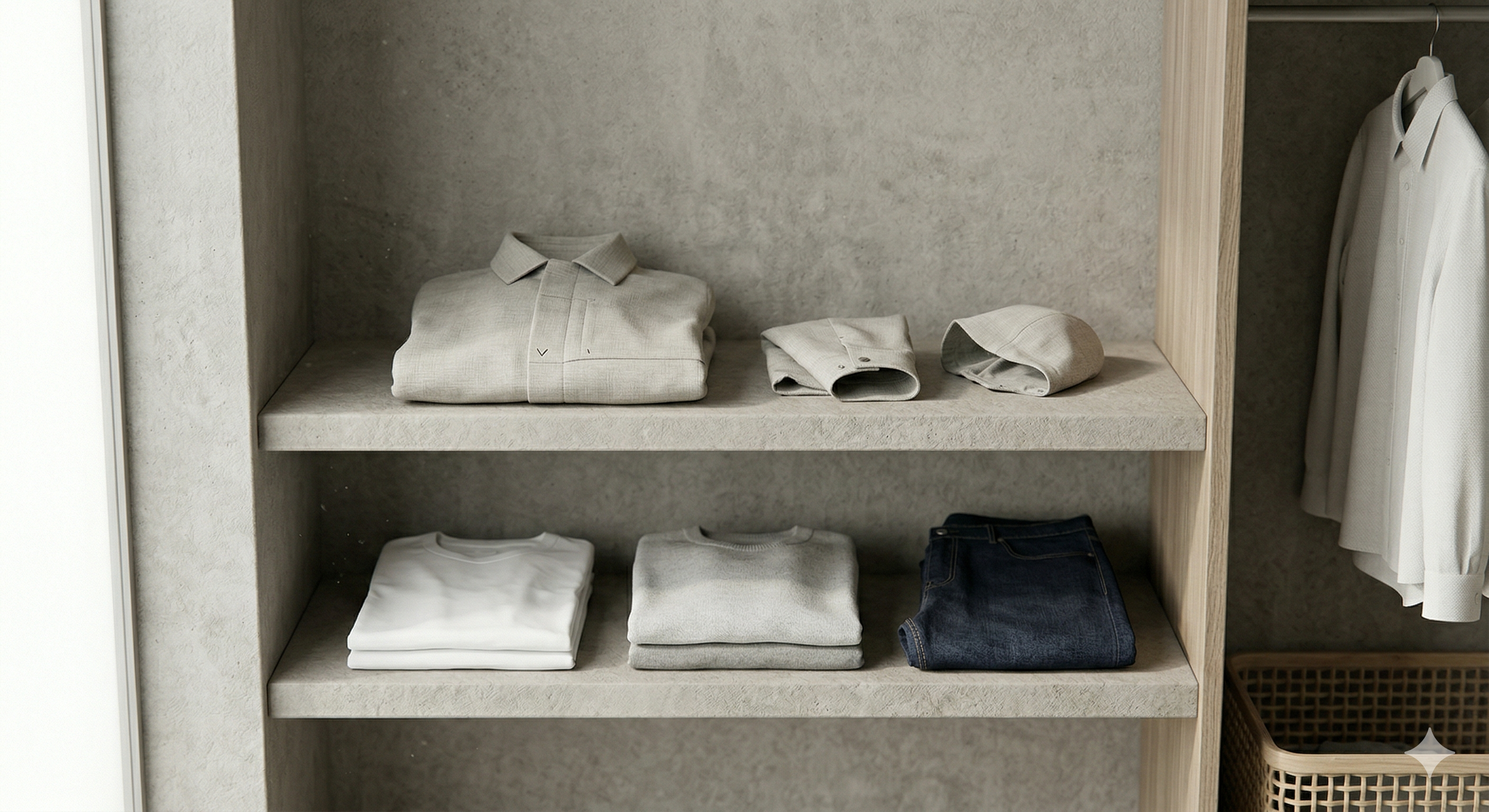
- Group clothes by category
- Arrange by color
- Keep frequently worn items accessible
- Store seasonal items separately
A clear wardrobe reduces decision fatigue.
Step 6: Follow The One-In, One-Out Rule
For every new item you buy, remove one.
This keeps your wardrobe balanced and prevents clutter from returning.
It is one of the simplest wardrobe decluttering tips to maintain control.
Step 7: Invest In Versatility, Not Trends
Trendy pieces often lose relevance quickly.
Instead, focus on:
- Neutral colors
- Timeless silhouettes
- Quality fabrics
- Multi-use garments
Minimalist wardrobe planning prioritizes longevity over impulse.
Step 8: Track What You Actually Wear
Pay attention to your habits.
Notice:
- Which outfits you repeat
- Which items stay untouched
- What makes you feel confident
This insight helps refine your wardrobe planning over time.
Common Mistakes To Avoid
- Shopping without a plan
- Keeping clothes out of guilt
- Ignoring fit and comfort
- Overcrowding your closet
Clarity comes from editing, not adding.
Conclusion: Buy Less, Wear More
Wardrobe planning is about intention. With the right wardrobe organization tips, you can simplify your closet and improve your style. Minimalist wardrobe planning helps you focus on what truly works, while learning how to organize your wardrobe ensures long-term clarity.
Stop buying more.
Start choosing better.
And build a wardrobe you actually wear.