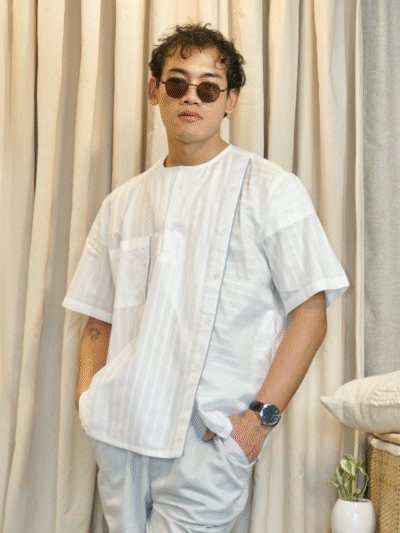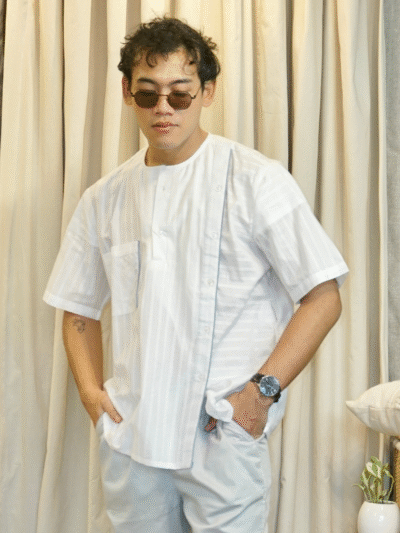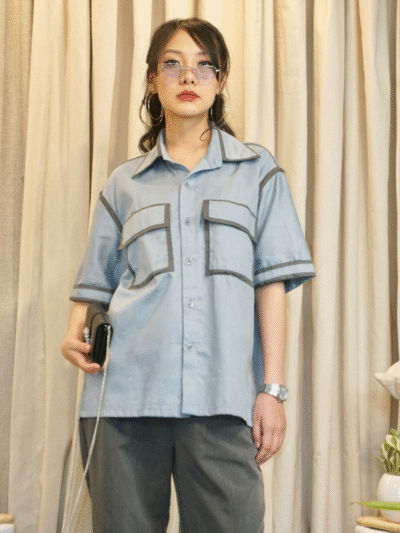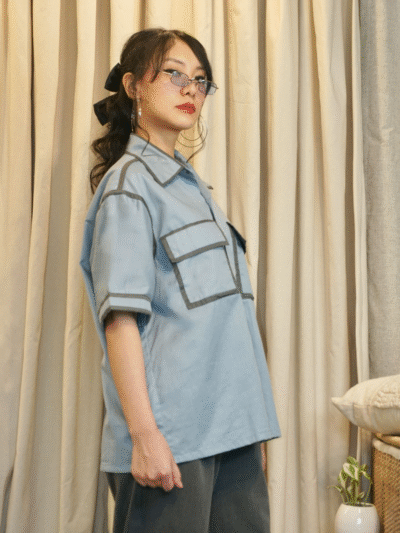
Clothing does not begin on a rack. It begins with an idea. Behind every thoughtfully designed piece lies intention, care, and precision. Understanding how slow fashion clothing is made helps you value what you wear.
Here is a closer look at the complete clothing production process.
Step 1: Concept And Design
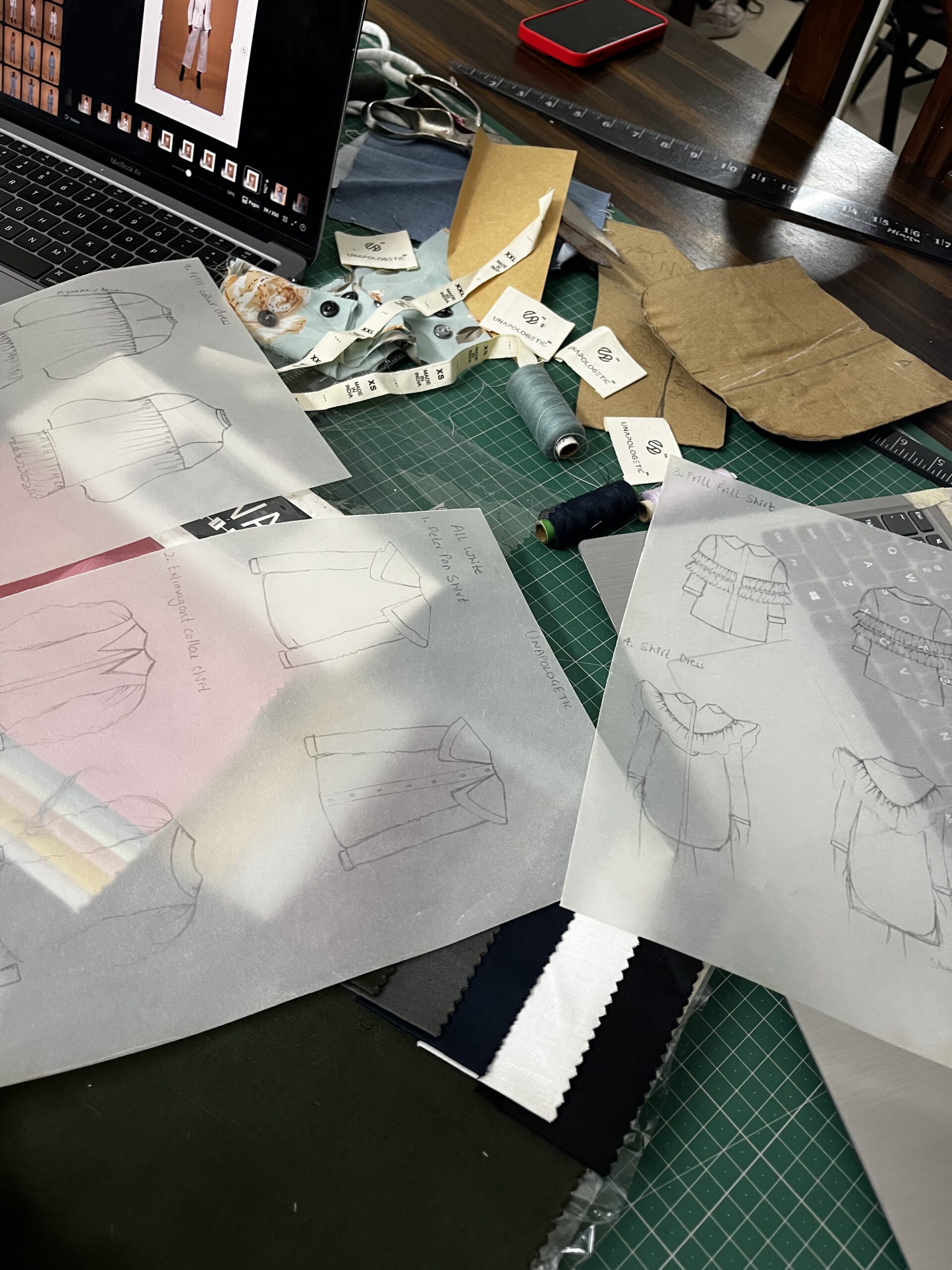
Every garment starts with a vision. Designers research silhouettes, fabrics, and functionality.
At this stage, we focus on:
- Timeless shapes
- Versatile styling
- Longevity over trends
- Practical wearability
A strong concept ensures the garment remains relevant beyond one season.
Design sets the foundation for the entire garment making process.
Step 2: Fabric Selection
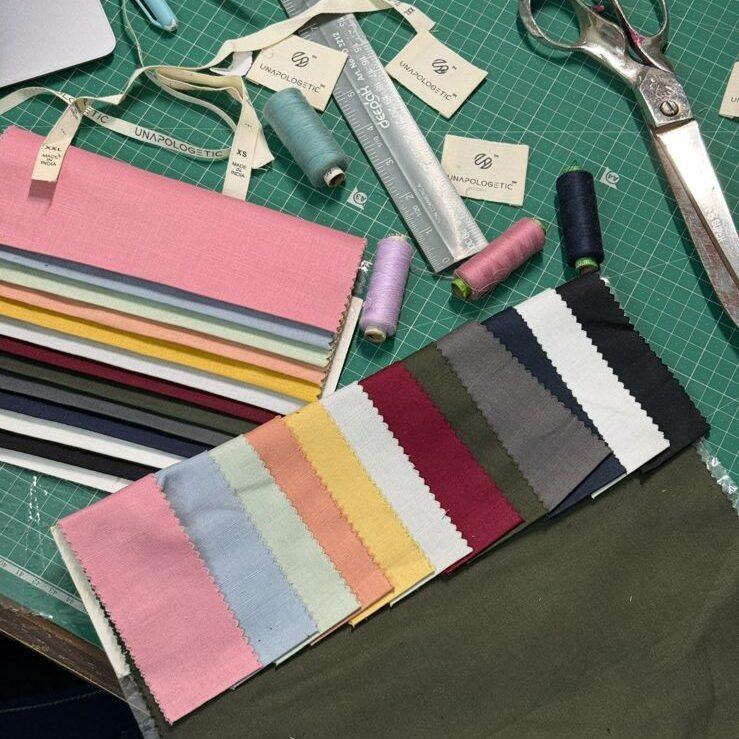
Fabric determines durability and comfort.
When considering how sustainable clothing is made, fabric choice is crucial. We prioritize:
- Quality natural or low-impact fibers
- Strong weaves
- Breathable materials
- Long-lasting textures
Thoughtful selection reduces waste and increases garment life.
Fabric is the backbone of ethical fashion manufacturing.
Step 3: Pattern Development
Patterns give structure to design.
Skilled pattern makers create blueprints that define:
- Fit
- Proportion
- Seam placement
- Movement
Precise patterns ensure the garment fits well and reduces material waste.
Accuracy at this stage improves overall quality.
Step 4: Sampling And Prototyping
Before full production, samples are created.
This stage allows teams to:
- Test fabric behavior
- Adjust fit
- Improve construction
- Refine detailing
Multiple revisions may happen before approval. This careful garment making process ensures durability and comfort.
Sampling prevents costly mistakes later.
Step 5: Ethical Fashion Manufacturing
Production is where responsibility matters most.
Ethical fashion manufacturing focuses on:
- Fair wages
- Safe working conditions
- Skilled craftsmanship
- Controlled production volumes
We believe quality work deserves dignity. Responsible production builds trust and long-term value.
Step 6: Precision Cutting And Stitching
Fabric is cut carefully to minimize waste.
Skilled artisans then assemble each piece using:
- Clean seam finishing
- Reinforced stitching
- Structured tailoring
- Detailed quality checks
Strong stitching extends the garment’s lifespan.
Attention to detail defines premium construction.
Step 7: Quality Inspection
Before a garment reaches you, it undergoes inspection.
Checks include:
- Seam strength
- Fabric flaws
- Fit accuracy
- Hardware durability
This final review ensures the clothing production process meets high standards.
Quality control protects both the brand and the wearer.
Step 8: Limited And Thoughtful Distribution
Responsible production avoids overstock.
Smaller collections help:
- Reduce excess waste
- Maintain quality control
- Encourage mindful purchases
Understanding how sustainable clothing is made reveals why slower production creates better outcomes.
Why This Journey Matters
Fast fashion hides this process. Thoughtful fashion highlights it.
When you understand the clothing production process, you appreciate the craftsmanship behind every stitch. Ethical fashion manufacturing values people and precision. A refined garment making process ensures durability and purpose.
Clothing becomes more meaningful when you know its story.
Every Stitch Has A Story
From sketch to stitch, creating a garment requires intention and responsibility. Learning how sustainable clothing is made helps you make informed choices. A transparent clothing production process and ethical fashion manufacturing practices ensure quality and respect at every stage of the garment making process.
Fashion should not be rushed.
It should be crafted.
And it should be made to last.