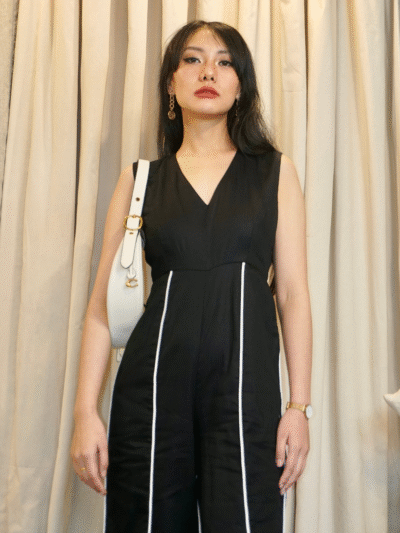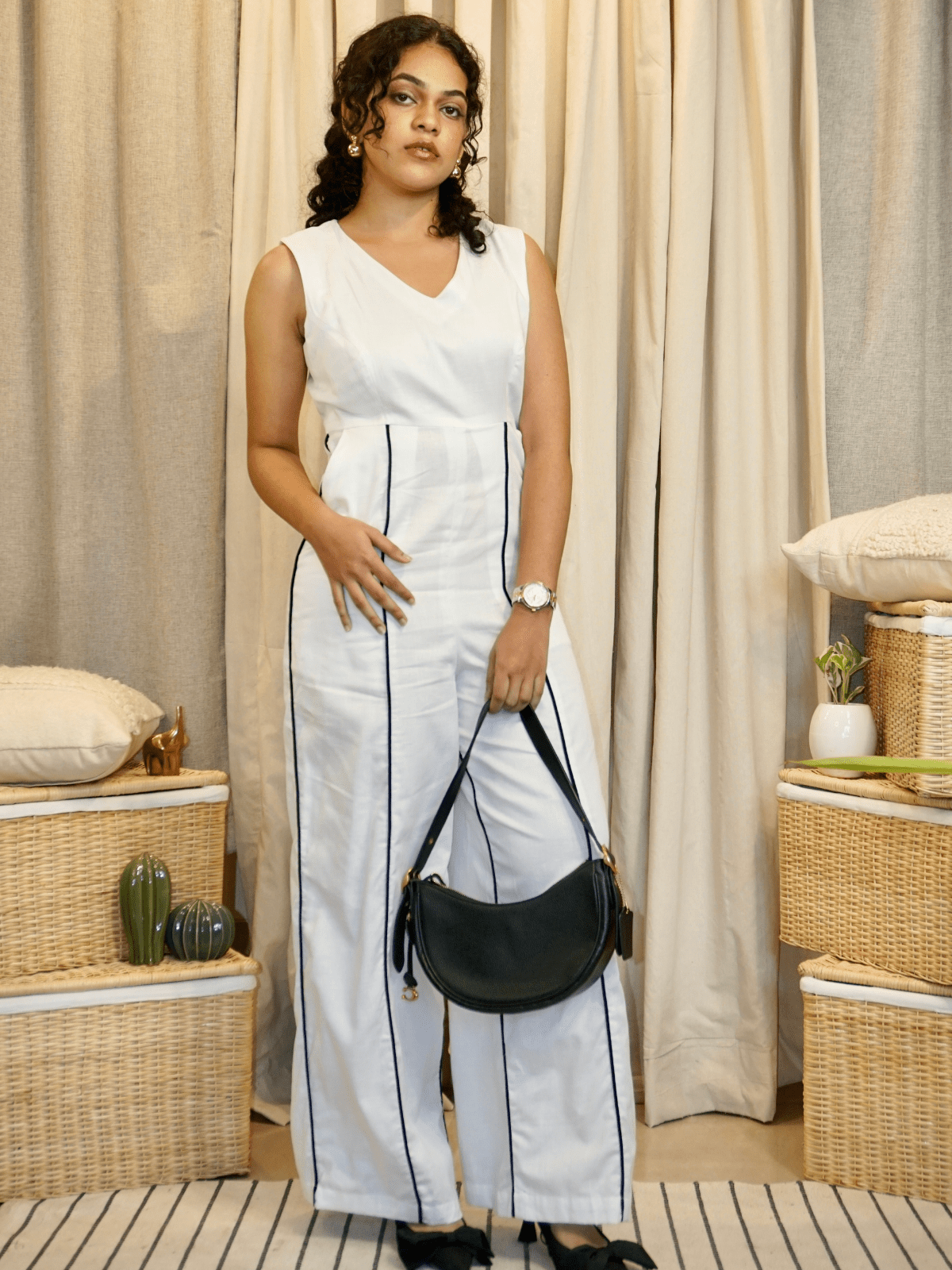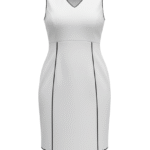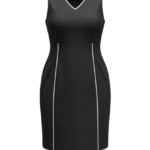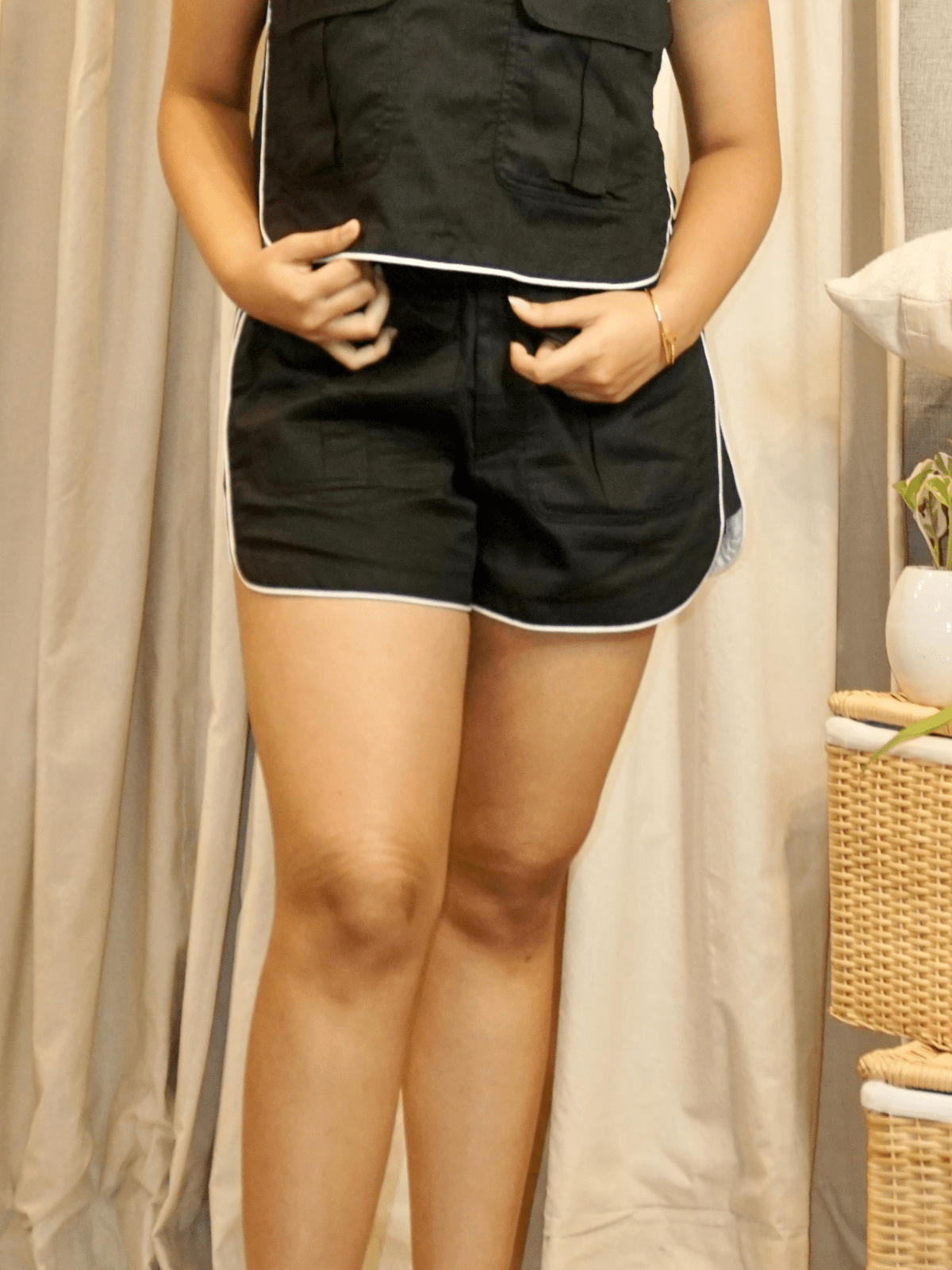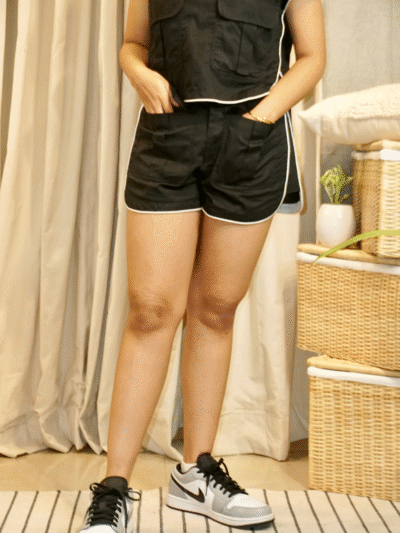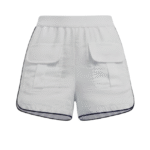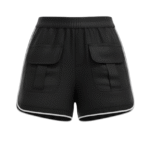
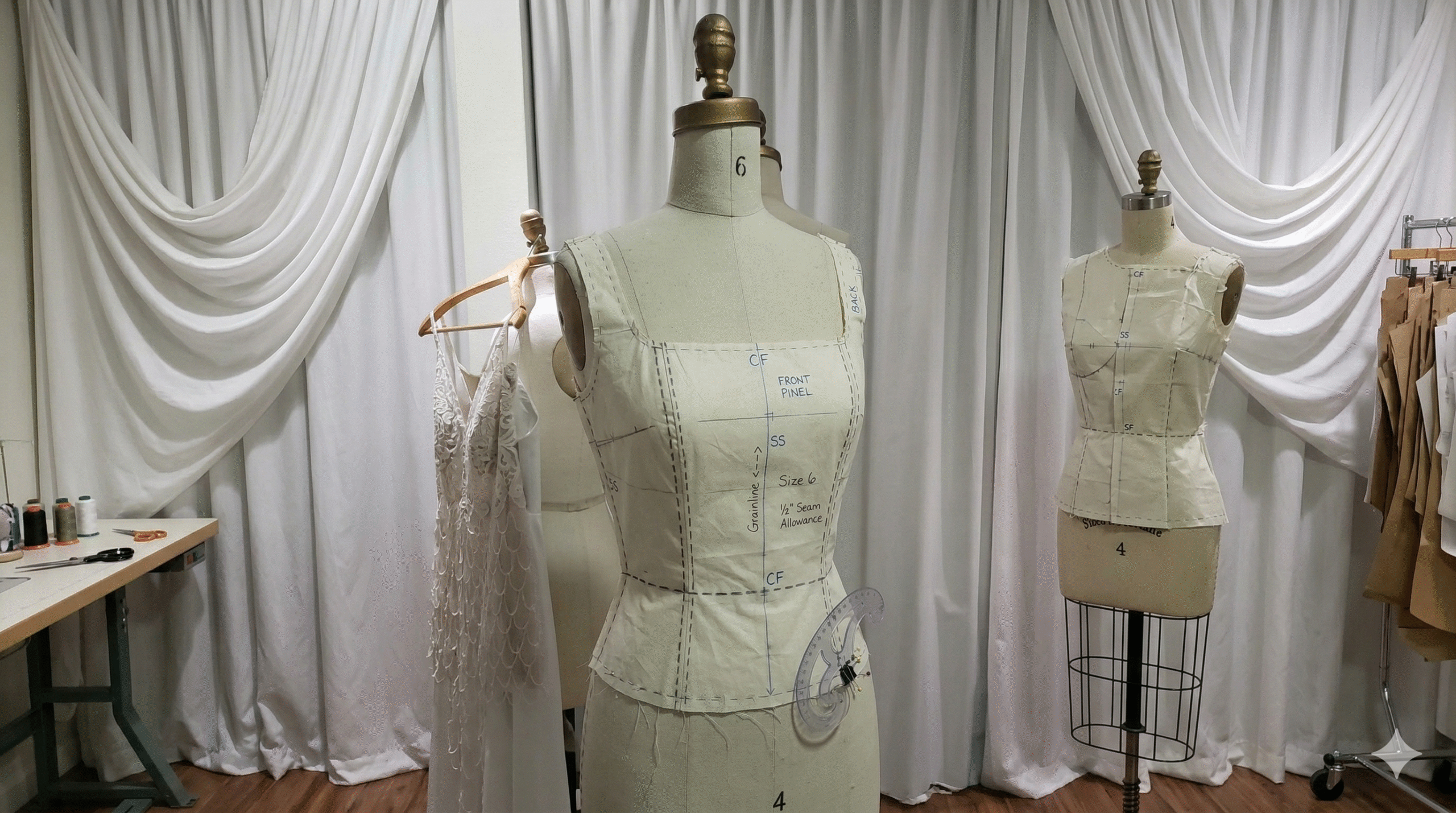
Great fit is not accidental. It is the result of thoughtful garment construction and precise design. When you understand how clothes are made, you begin to see why some pieces feel perfect while others never sit right.
A strong clothing fit guide starts with structure, not size.
What Is Garment Structure?
Garment structure refers to how a piece is built from the inside out.
It includes:
- Pattern design
- Seam placement
- Stitching technique
- Fabric behavior
- Internal support
Simply put, clothing structure explained means understanding the framework that shapes how a garment fits your body.
Why Structure Matters For Fit
Two garments of the same size can fit completely differently.
That is because structure determines:
- How the fabric falls
- Where the garment sits on your body
- How it moves with you
- Whether it holds its shape
Good structure creates comfort and confidence.
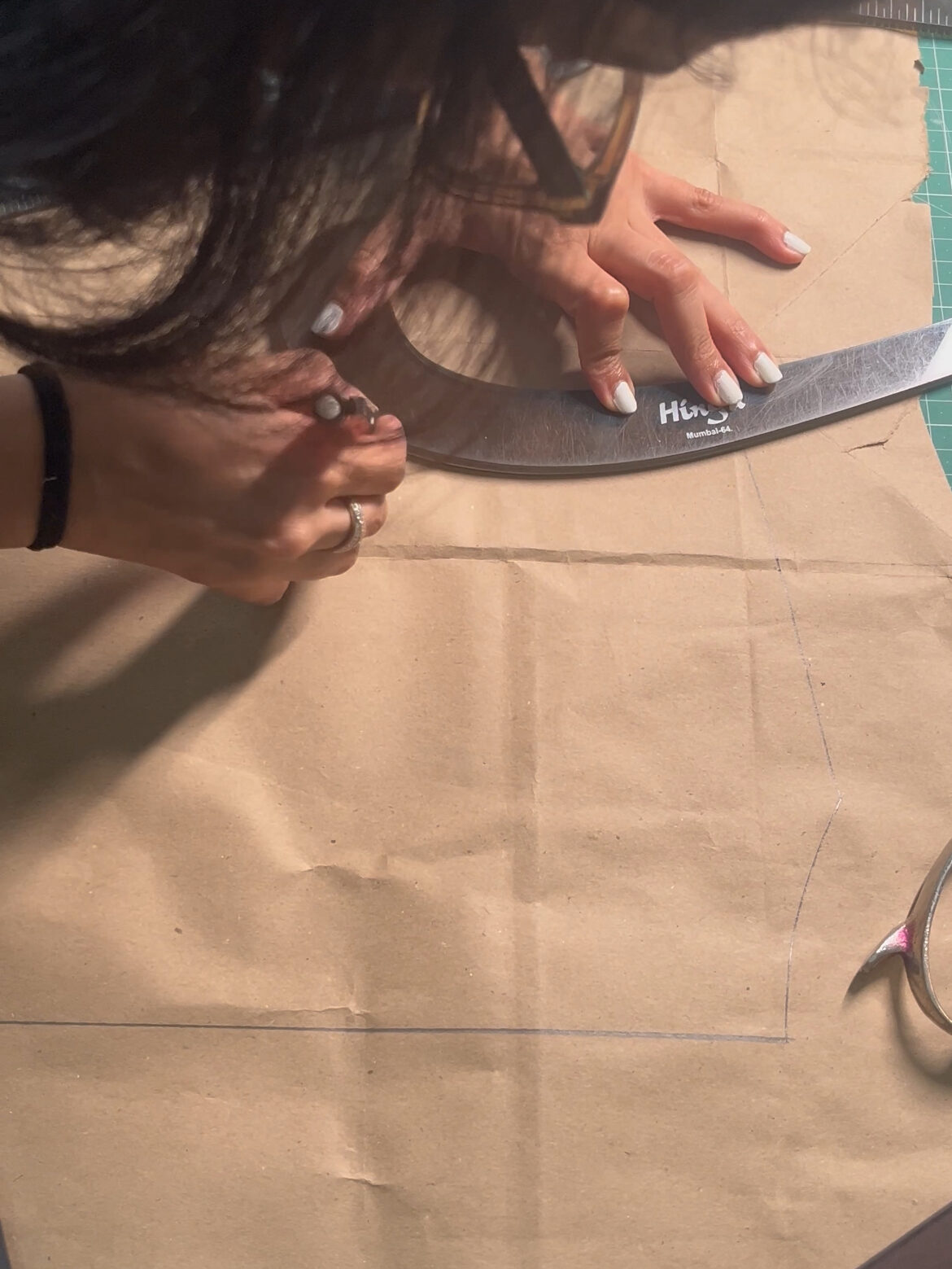
The Role Of Pattern Making
Every garment begins with a pattern.
Patterns define:
- Proportions
- Balance
- Fit accuracy
- Movement allowance
Precise patterns are essential in how clothes are constructed. Poor patterns lead to twisting seams and awkward fits.
Seam Placement And Construction
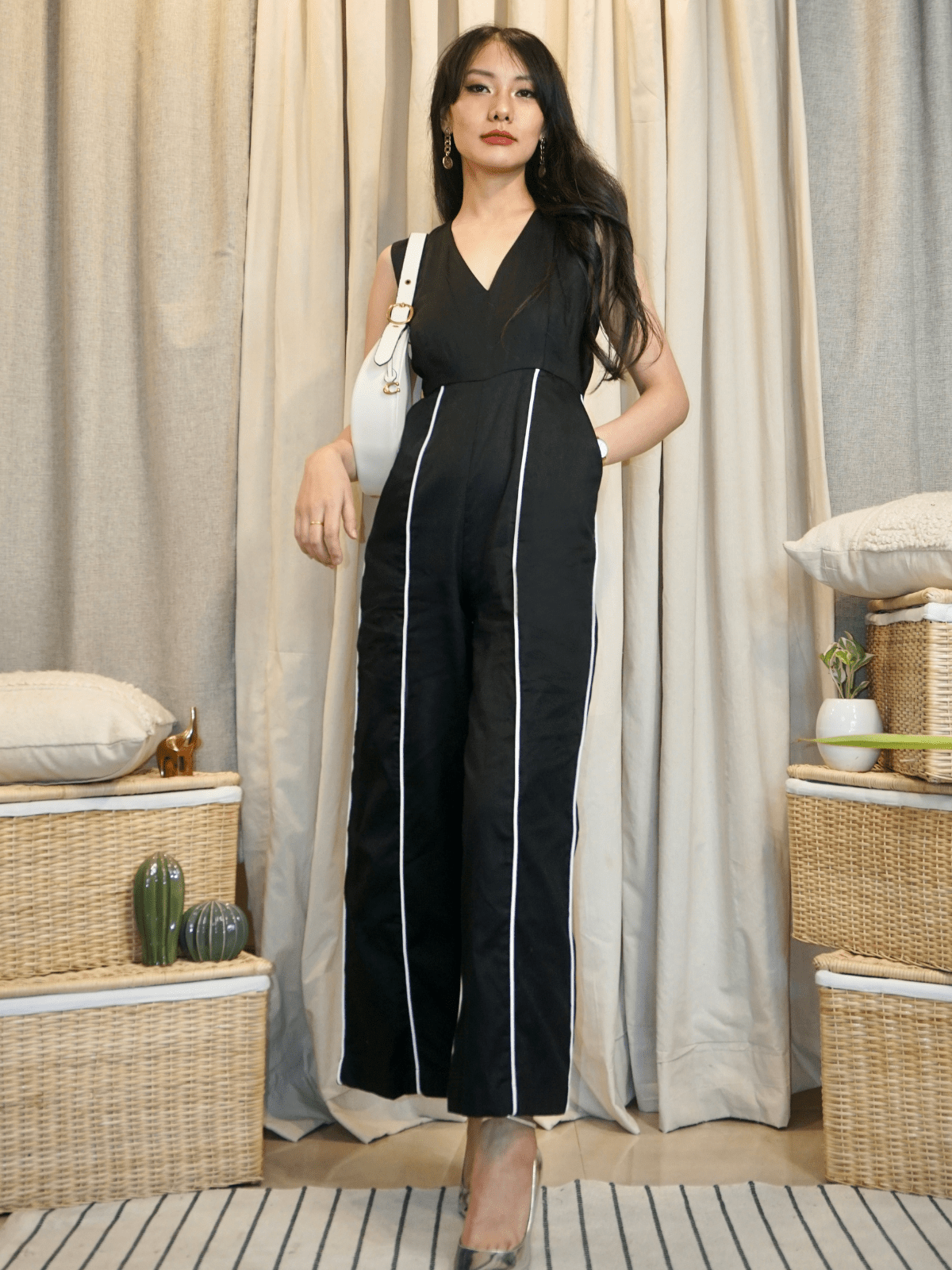
Seams are not just functional. They shape the garment.
Key areas to observe:
- Shoulder seams for alignment
- Side seams for balance
- Waist seams for definition
- Armholes for movement
Correct seam placement improves both comfort and appearance.
Garment Stitching Quality
Stitching holds structure together.
High garment stitching quality includes:
- Even, tight stitches
- Reinforced stress points
- Clean seam finishing
- No puckering or loose threads
Poor stitching weakens the structure and affects fit over time.
Fabric And Structure Work Together
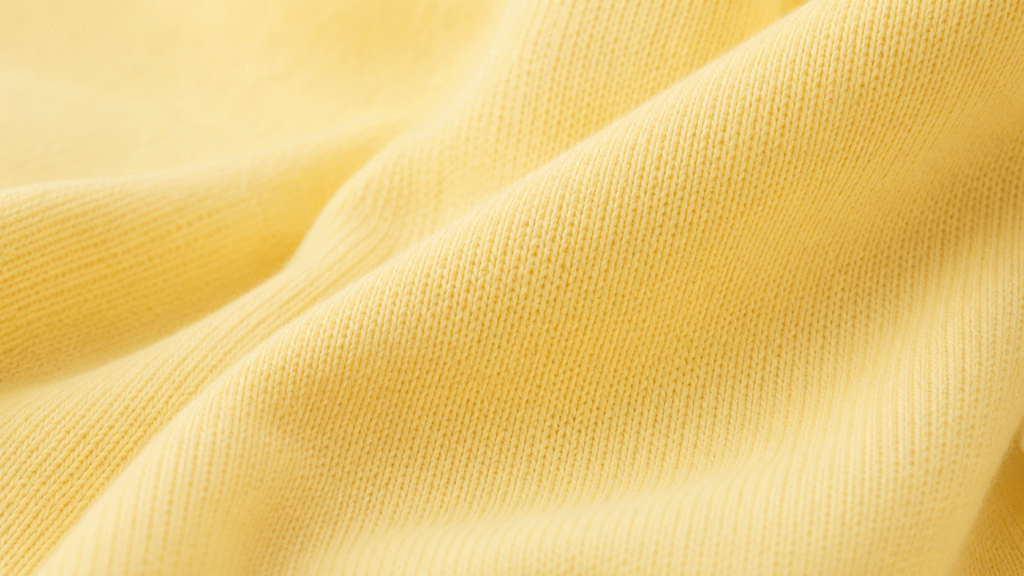
Structure is incomplete without the right fabric.
Different fabrics behave differently:
- Structured fabrics hold shape
- Soft fabrics drape naturally
- Stretch fabrics adapt to movement
Understanding clothing structure explained means recognizing how fabric influences fit.
The Importance Of Tailoring
Even well-constructed garments may need adjustments.
A good tailoring and fit guide includes:
- Adjusting length
- Refining waist fit
- Improving sleeve alignment
- Correcting proportions
Small tailoring changes can transform how clothes fit.
Key Areas That Affect Fit
When using a clothing fit guide, check these areas:
- Shoulders: Should sit exactly at the edge
- Chest and bust: No pulling or gaps
- Waist: Should feel defined but comfortable
- Hips: Smooth without tightness
- Length: Balanced for your height
These points determine whether a garment truly fits well.
Signs Of Poor Garment Construction
Avoid clothing with:
- Twisted seams
- Uneven hems
- Puckered stitching
- Tight armholes
- Poor alignment
These issues indicate weak garment construction and affect long-term wear.
Why Well-Constructed Clothes Fit Better Over Time
Good construction ensures:
- Shape retention after washing
- Consistent fit
- Better movement
- Longer lifespan
This is why investing in well-made garments improves your wardrobe overall.
Fit Begins With Structure
Understanding garment construction is the key to better dressing. When clothing structure is explained clearly, you see how details like garment stitching quality and seam placement affect fit. Following a practical tailoring and fit guide helps you choose better pieces, while knowing how clothes are constructed improves your overall clothing fit guide.
Look beyond size.
Focus on structure.
And choose clothes that are built to fit you well.