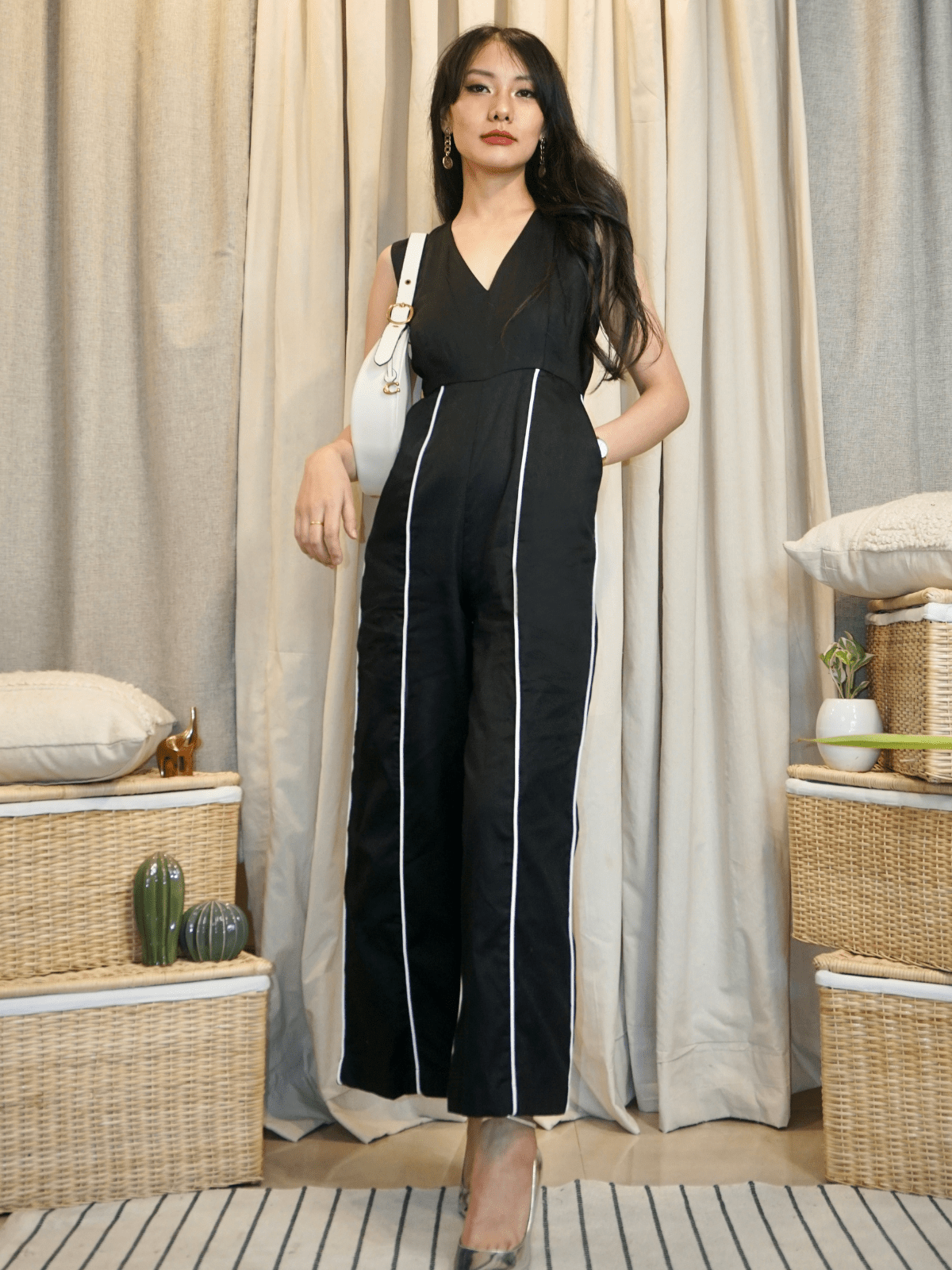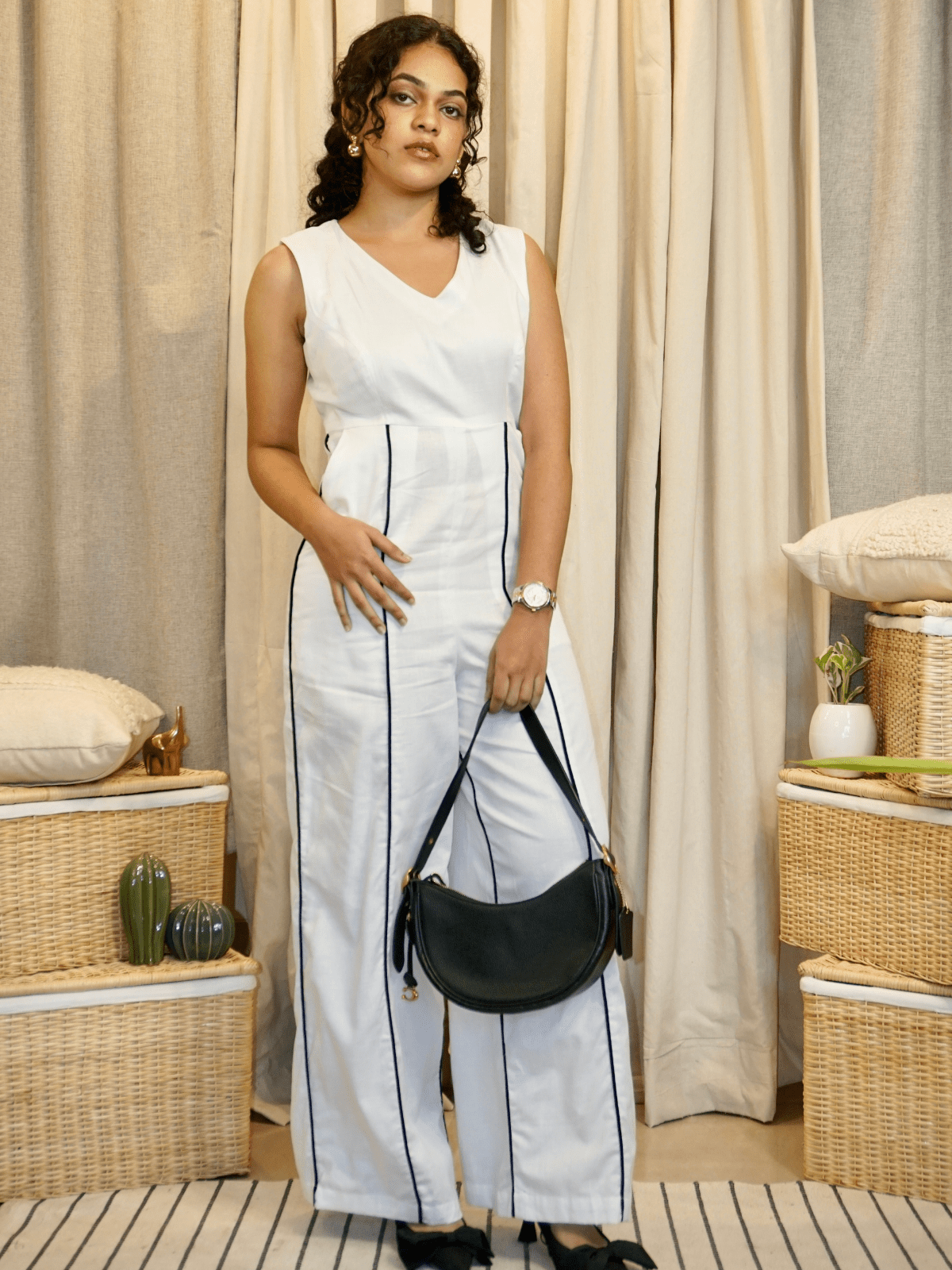

What you wear every day affects more than your personal style. Clothing choices influence production, consumption, waste, and long-term environmental impact. While no wardrobe can be completely perfect, making more thoughtful decisions can create meaningful change over time.
Understanding the connection between fashion and responsibility starts with awareness.
The Fashion Environmental Impact Of Everyday Consumption
The fashion industry operates on large-scale production and rapid consumption.
This contributes to:
- Excess clothing waste
- High resource usage
- Short product lifecycles
- Increased landfill accumulation
The fashion environmental impact becomes larger when clothes are treated as disposable.
Why Clothing Waste Impact Matters
One of the biggest problems in modern fashion is overconsumption.
Many garments are:
- Worn only a few times
- Discarded quickly
- Replaced unnecessarily
This clothing waste impact increases pressure on production systems and contributes to long-term environmental strain.
Sustainable Clothing Choices Begin With Longevity
One of the most effective ways to reduce impact is to wear clothes longer.
Sustainable clothing choices can include:
- Buying fewer pieces
- Choosing durable garments
- Repeating outfits confidently
- Maintaining clothing properly
Longevity is more impactful than constant replacement.
The Role Of Ethical Fashion
Ethical fashion focuses on more responsible production practices.
This may involve:
- Better working conditions
- Thoughtful manufacturing
- Reduced unnecessary production
- Greater focus on quality
While no brand is completely perfect, responsible practices still matter.
Why “Eco-Friendly” Fashion Is Complex
The term eco friendly fashion is often oversimplified.
No clothing brand is fully sustainable in every way. Instead of aiming for perfection, it is more realistic to focus on progress through:
- Better material choices
- Longer-lasting clothing
- More intentional shopping habits
Small improvements create long-term impact.
Fast Consumption Creates More Waste
Trend-driven shopping cycles encourage excessive buying.
This often leads to:
- Unused clothing
- Short garment lifespans
- Frequent disposal
Choosing timeless, versatile pieces reduces unnecessary consumption.
How To Make More Sustainable Clothing Choices
You do not need to rebuild your wardrobe overnight.
Start with simple habits:
- Buy only what you truly need
- Choose quality over quantity
- Repair instead of replacing immediately
- Donate or repurpose unused items
Sustainability grows through consistency, not perfection.
Build A More Intentional Wardrobe
A thoughtful wardrobe usually contains:
- Versatile essentials
- Durable fabrics
- Timeless silhouettes
- Pieces you genuinely enjoy wearing
Intentional wardrobes naturally reduce waste over time.
Why Repeating Outfits Matters
Wearing clothes more often increases their value and reduces unnecessary consumption.
Repeating outfits:
- Extends garment lifespan
- Improves cost-per-wear value
- Supports mindful fashion habits
The most sustainable clothes are often the ones already in your wardrobe.
Common Mistakes To Avoid
- Buying trend-driven pieces impulsively
- Treating clothing as disposable
- Ignoring garment care
- Assuming sustainability requires perfection
Small responsible choices still matter.
Your wardrobe decisions affect more than style alone. The fashion environmental impact is closely tied to how clothing is produced, purchased, and worn. By making sustainable clothing choices, reducing clothing waste impact, and supporting ethical fashion practices where possible, you can build a more thoughtful relationship with fashion.
Buy intentionally.
Wear longer.
And let your everyday choices support a more responsible future.