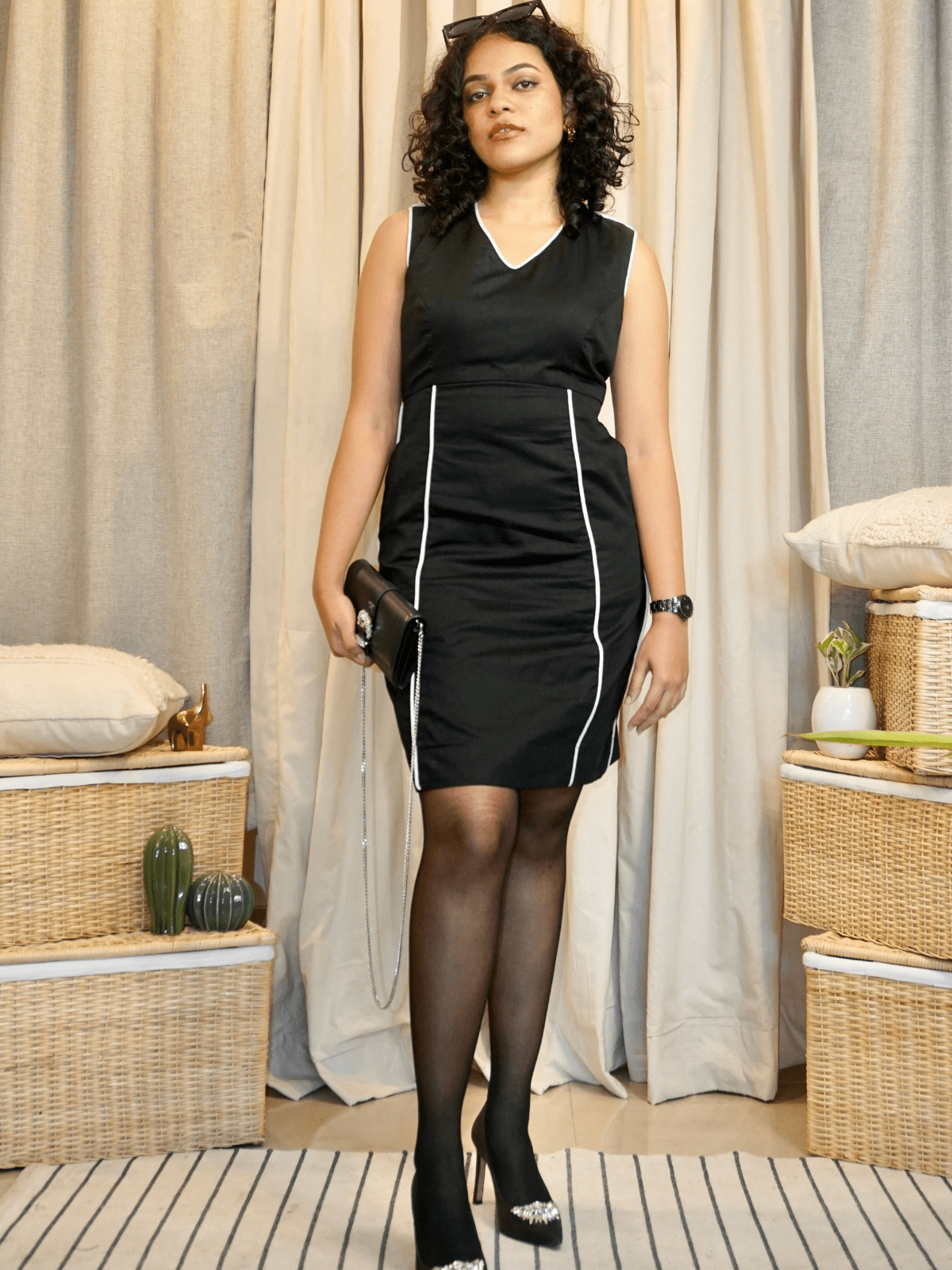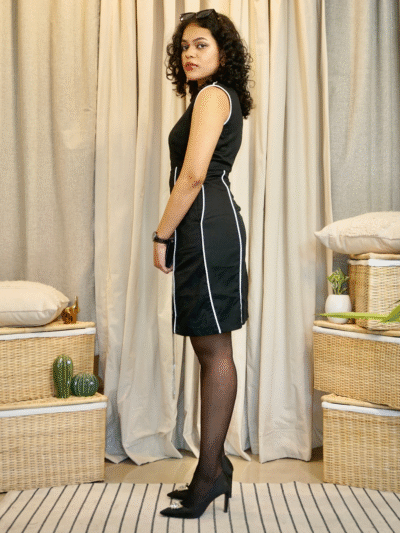

Introduction
There’s a certain kind of person you’ve probably noticed in a room.
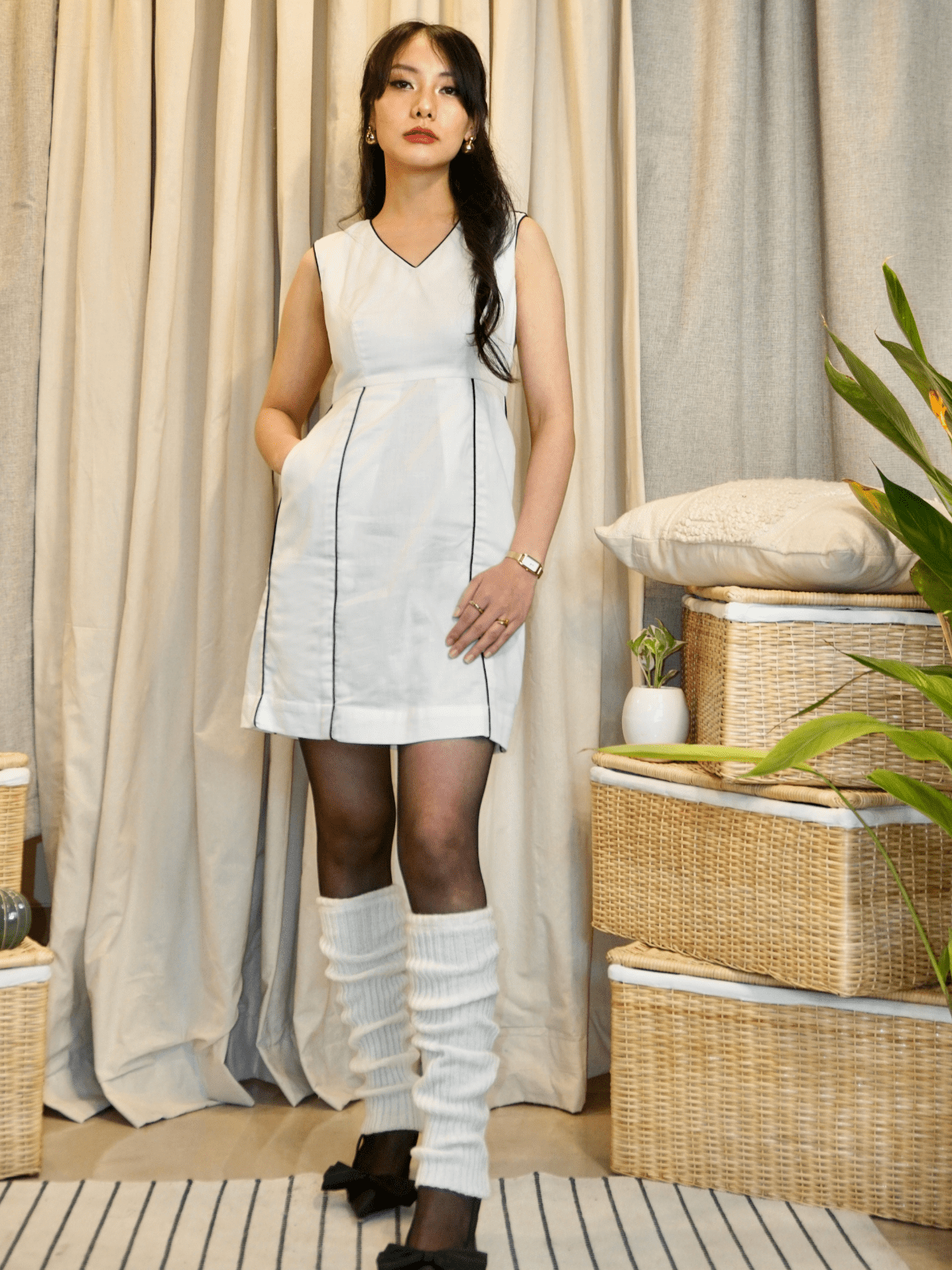
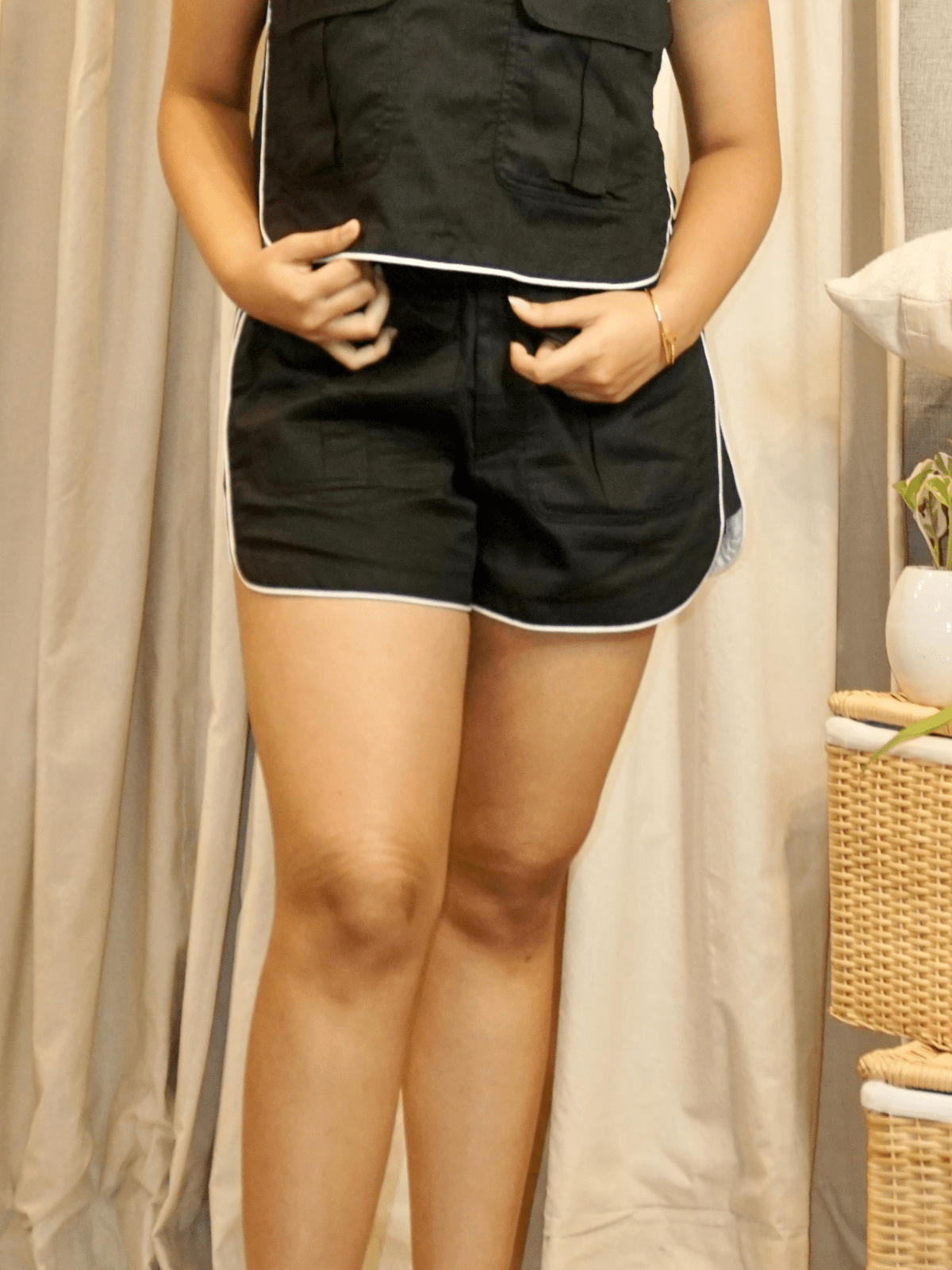
They’re not the loudest. They’re not wearing the most. They’re not trying to signal anything — no visible logos, no statement pieces engineered for attention. And yet, somehow, they’re the ones you keep looking at. There’s something in the way they carry themselves. An ease. A settledness. A sense that they know exactly who they are and have nothing to prove.
That quality has a name: quiet confidence.
It’s the idea that started Unapologetic. And in this blog, we want to trace that idea back to its roots — what it means, why it matters, and how it shapes everything from the way we design to the way we think about getting dressed.
What Quiet Confidence Actually Means
Confidence in fashion is often misunderstood.
The mainstream version sells it as loudness — bold prints, statement accessories, clothes that announce themselves before you’ve said a word. The idea is that dressing confidently means dressing to be noticed.
But that’s not confidence. That’s performance.
Real confidence doesn’t need an audience. It doesn’t need validation or the right reaction from the right people in the right room. It’s internal. It’s rooted. It’s the feeling of being completely at ease in your own skin — and by extension, in what you’re wearing.
Quiet confidence in fashion looks like:
- Choosing a piece because you love it, not because it’s trending
- Wearing something understated and owning the room anyway
- Not needing your clothes to speak for you, because you speak for yourself
- Feeling just as good when no one notices your outfit as when someone compliments it
This is the emotional territory Unapologetic was built to occupy. Not fashion as armour or performance, but fashion as an extension of who you already are.
How Clothing and Confidence Are Actually Connected
The relationship between what you wear and how you feel is more direct than most people acknowledge.
Research consistently shows that clothing affects psychological state — the way you perceive yourself, the way you move, and even the way you think. It’s not vanity. It’s the simple reality that what you put on your body sends a signal to your brain about who you are and how to show up.
But here’s the nuance that gets lost: it’s not expensive clothes or trendy clothes that create confidence. It’s clothes that fit well, feel right, and align with who you are.
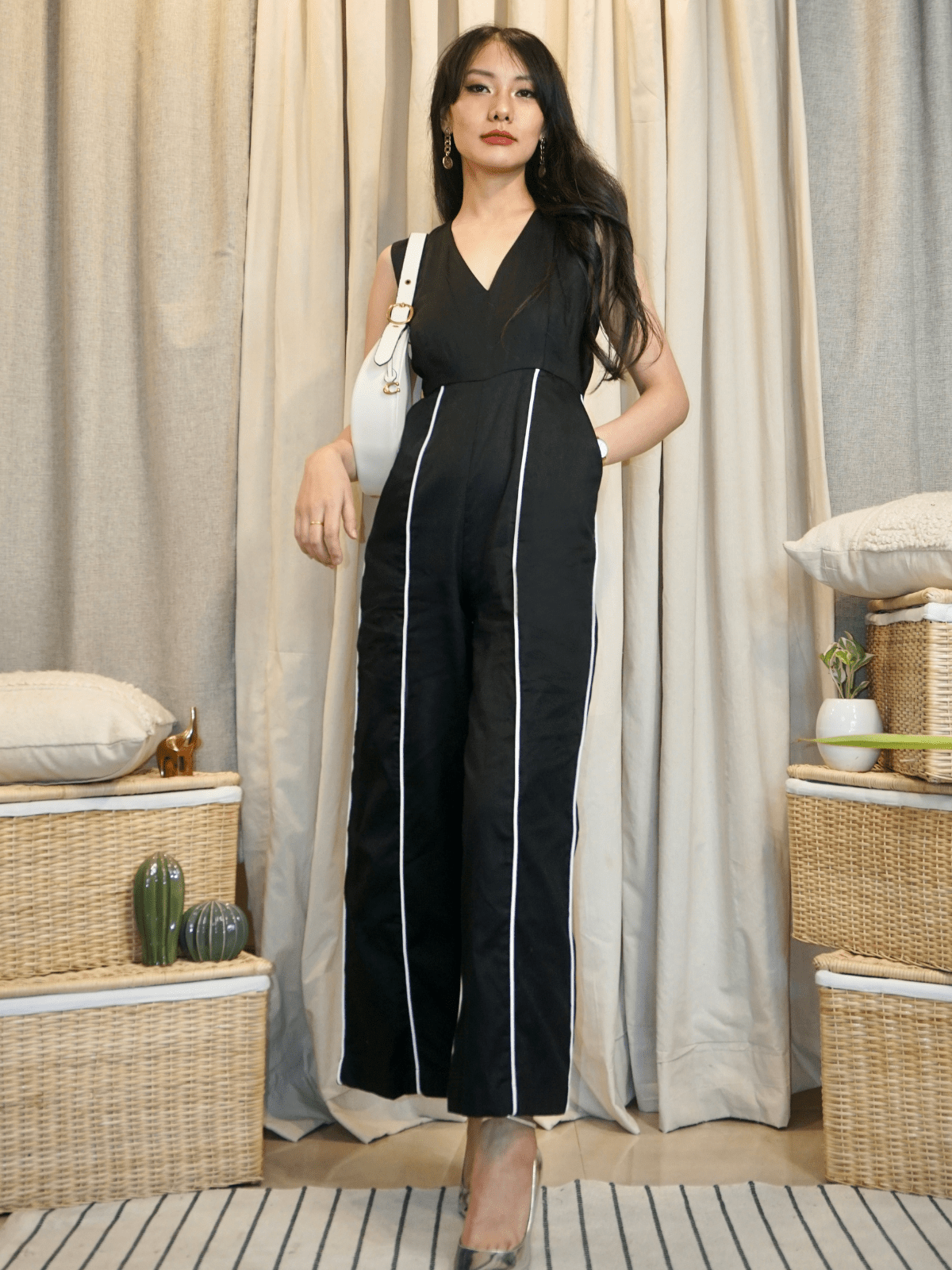
When you wear something that was designed thoughtfully — where the fabric sits properly, the proportion is right for your body, the colour works with your natural tones — something shifts. You stop adjusting. You stop second-guessing. You just exist in the piece, and that ease translates directly into how you carry yourself.
This is what dressing with confidence actually means. Not dressing to impress, but dressing to feel right.
Minimalist fashion in India has been slow to claim this space, but it’s the exact space it belongs in. When clothes are stripped of unnecessary detail, what remains is fit, fabric, and form — the three things that actually determine whether you feel good in something.
The Case for Minimalism as a Confidence Practice
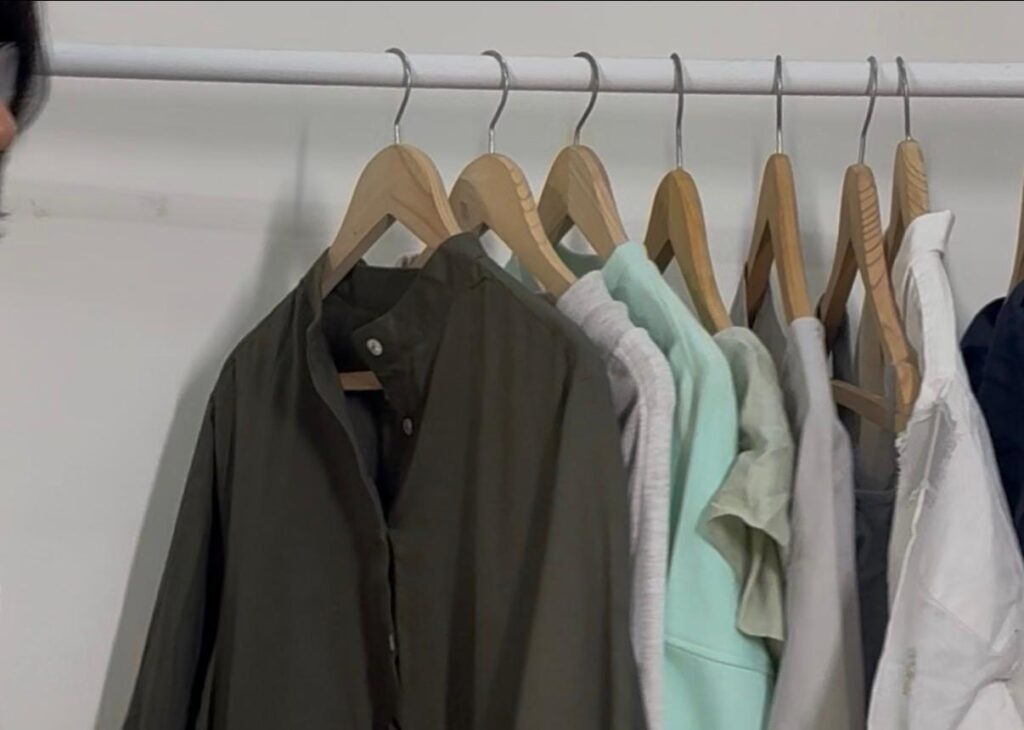
Minimalist clothing isn’t about owning less for the sake of it. It’s about removing the noise so that what remains actually means something.
A wardrobe built on minimalist principles — fewer pieces, chosen carefully, designed to work together — creates a specific kind of freedom. You stop wasting mental energy on what to wear. You stop feeling the low-level dissatisfaction of a full wardrobe that somehow has nothing in it. You start showing up in clothes that consistently make you feel like yourself.
That consistency is the foundation of quiet confidence.
When you dress from a place of clarity rather than impulse, it changes the energy you bring into a room. You’re not wondering if the outfit is right. You’re not distracted by what you’re wearing. You’re fully present — and presence is the most compelling thing a person can project.
This is why minimalist clothing brands in India that are built around intention, not volume, are resonating with a growing number of people. The appeal isn’t aesthetic minimalism for its own sake. It’s the confidence that comes from owning things that genuinely serve you.
Quiet Luxury and the Shift Away from Noise
There’s a broader cultural conversation happening right now around what’s sometimes called “quiet luxury” — a move away from logo-heavy, trend-driven fashion toward pieces that communicate through quality and restraint.
But quiet luxury, as a concept, can veer into exclusivity — the idea that understatement is the new status signal, just a more expensive one.
That’s not what we’re interested in.
Quiet confidence at Unapologetic isn’t about price as a signal. It’s about intentionality as a value. It’s about choosing clothes that reflect a genuine point of view rather than following what the algorithm is pushing this week.
The shift we’re part of is less about luxury and more about clarity. People are tired of fashion that demands constant attention — constant newness, constant trend-chasing, constant performance. They want clothes that let them breathe. That feel like themselves.
That’s the quiet confidence we design for. Not restraint as status. Restraint as freedom.
Style Confidence Tips: How to Start Dressing This Way
If this idea resonates with you, here’s how to begin building it into the way you dress:
- Start with fit. Nothing undermines confidence faster than clothes that don’t fit properly. Before anything else — fabric, colour, style — ask whether the piece sits right on your body.
- Identify your anchors. What are the two or three pieces in your wardrobe that consistently make you feel good? Study them. What do they have in common? That pattern is your personal style signal.
- Remove the noise. Go through your wardrobe and pull out anything you keep but never wear. If it’s not earning its place, it’s contributing to the mental clutter that makes getting dressed harder than it needs to be.
- Buy for the feeling, not the occasion. Stop buying things for hypothetical events. Buy things that make you feel right in your everyday life — and let those pieces show up wherever you go.
- Slow down the shopping impulse. Before buying something new, ask whether it adds to your wardrobe or just adds to it. There’s a difference between pieces that integrate and pieces that accumulate.
- Trust your own taste. Quiet confidence in fashion ultimately comes down to this: trusting yourself enough to wear what you actually like, rather than what you think you should like.
Conclusion
Quiet confidence is not a look. It’s a practice.
It’s built over time, through the small decisions you make about what to bring into your wardrobe and what to leave out. Through choosing clothes that fit your life rather than clothes that fit a trend. Through showing up, repeatedly, in things that feel like you — until that ease becomes second nature.
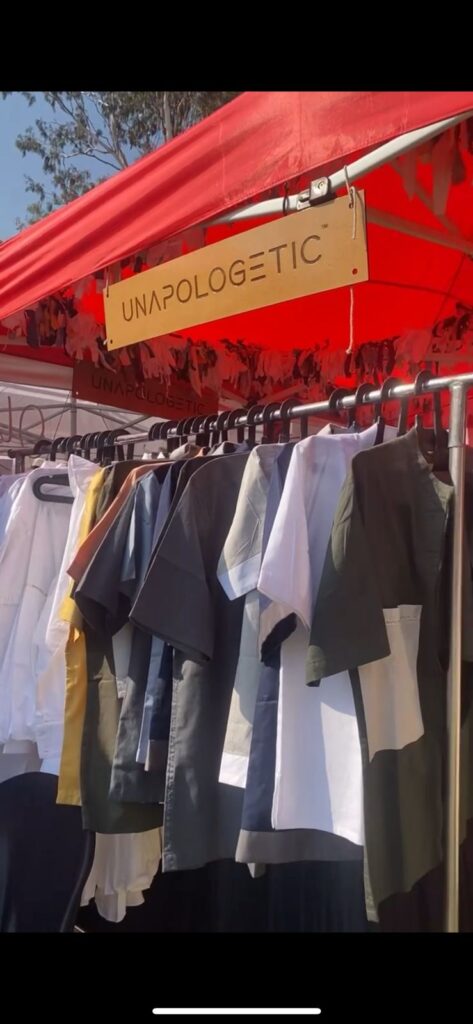
Unapologetic exists to make that practice easier. Every piece we design starts with the question of whether it contributes to quiet confidence or just adds noise. Whether it will make the person wearing it feel more settled, more themselves, more at ease.
That’s the idea that started everything. And it’s the standard we hold every collection to.