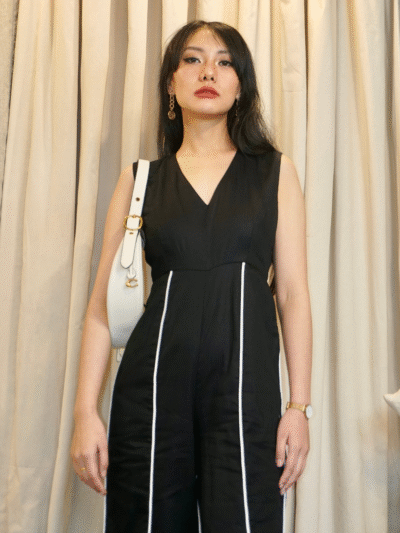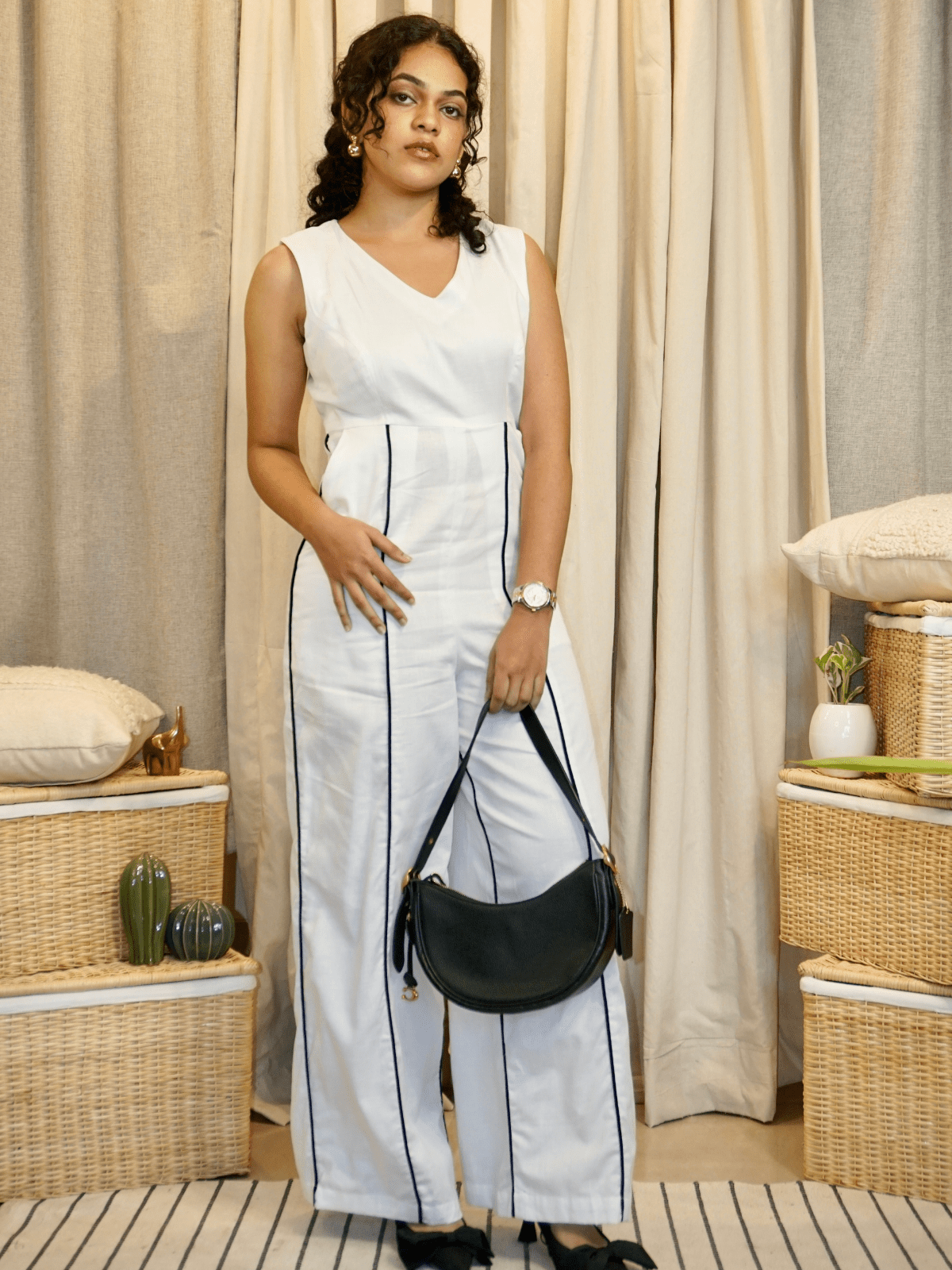
Confidence rarely needs excess. Some of the most stylish and self-assured people rely on simplicity instead of overcomplication. The connection between minimalist fashion psychology and confidence is rooted in clarity, comfort, and self-awareness.
Simple style often reflects strong self-assurance.
Why Simplicity Feels Powerful
A simple dressing style removes distraction.
Instead of focusing on trends or excessive details, it emphasizes:
- Fit
- Structure
- Comfort
- Consistency
When clothing feels effortless, confidence becomes more visible.
The Psychology Behind Minimal Style
Minimalist fashion psychology is based on intentionality.
People who dress simply often:
- Know what suits them
- Feel less pressure to impress
- Prioritize comfort and authenticity
- Make decisions with clarity
Simplicity reflects confidence in identity rather than dependence on attention.
Confidence And Clothing Are Deeply Connected
The relationship between confidence and clothing goes beyond appearance.
When clothes feel aligned with your personality, you:
- Carry yourself differently
- Feel more comfortable socially
- Spend less energy overthinking
This is why simple dressing often feels more confident than overly styled looks.
A Simple Dressing Style Reduces Decision Fatigue
Too many options create stress.
Minimal wardrobes simplify daily life by:
- Reducing outfit decisions
- Creating repeatable combinations
- Improving consistency
This mental clarity contributes to stronger self-confidence.
Minimal Fashion Benefits Beyond Style
Minimal fashion benefits are not only visual.
A simplified wardrobe can help you:
- Save time
- Reduce clutter
- Shop more intentionally
- Feel calmer while dressing
The less distracted you feel by your wardrobe, the more focused you become on yourself.
Simple Outfit Ideas Often Look More Polished
Simple outfits tend to feel refined because they are balanced.
Reliable combinations include:
- White shirt + tailored trousers
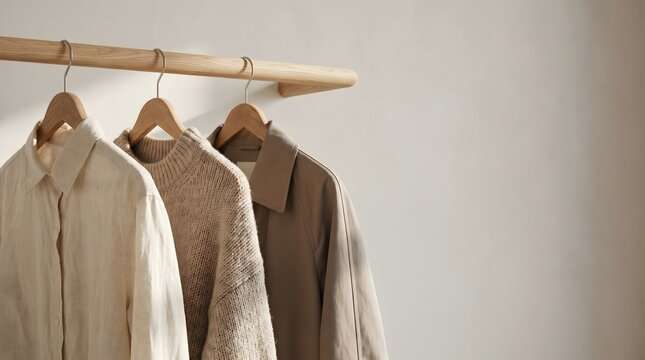
- Neutral knit + denim
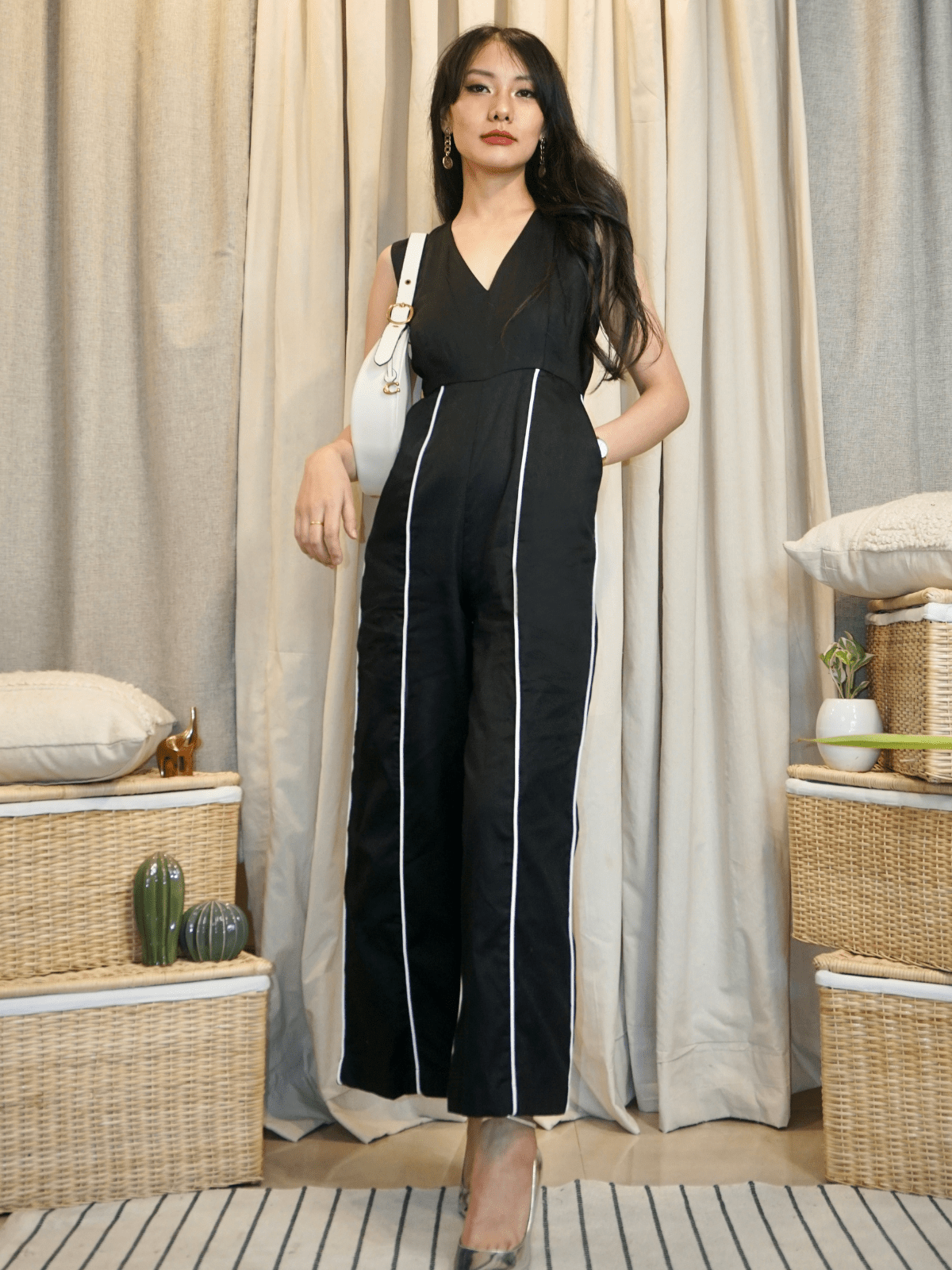
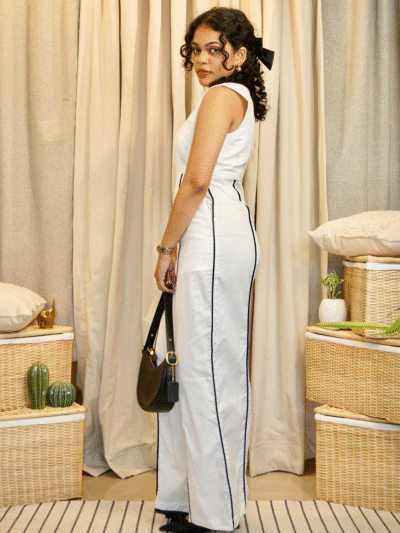
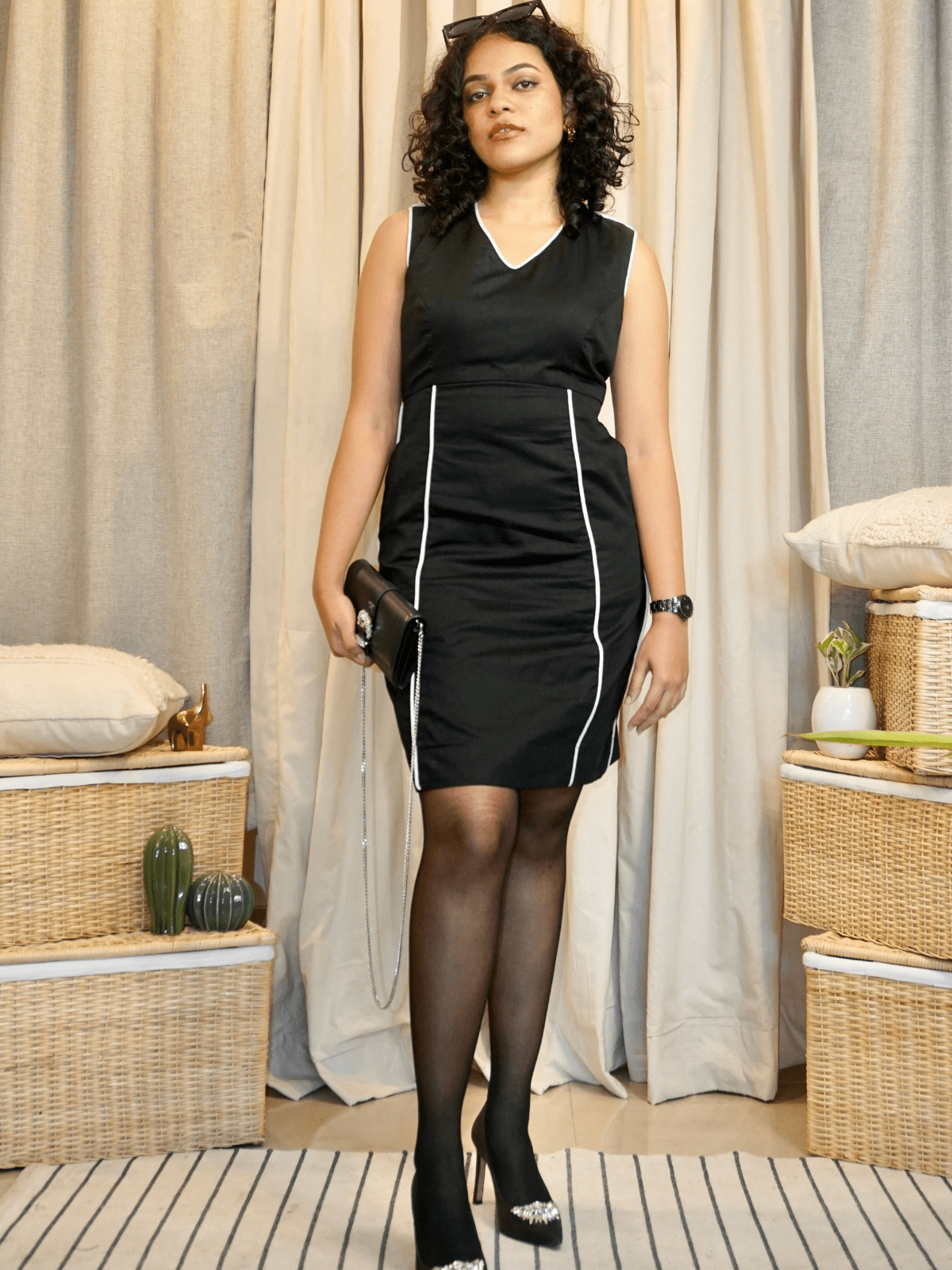
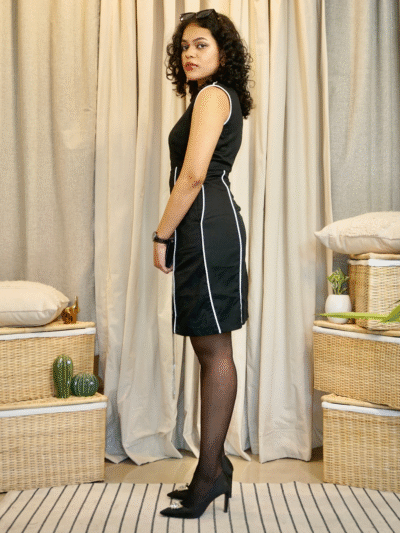
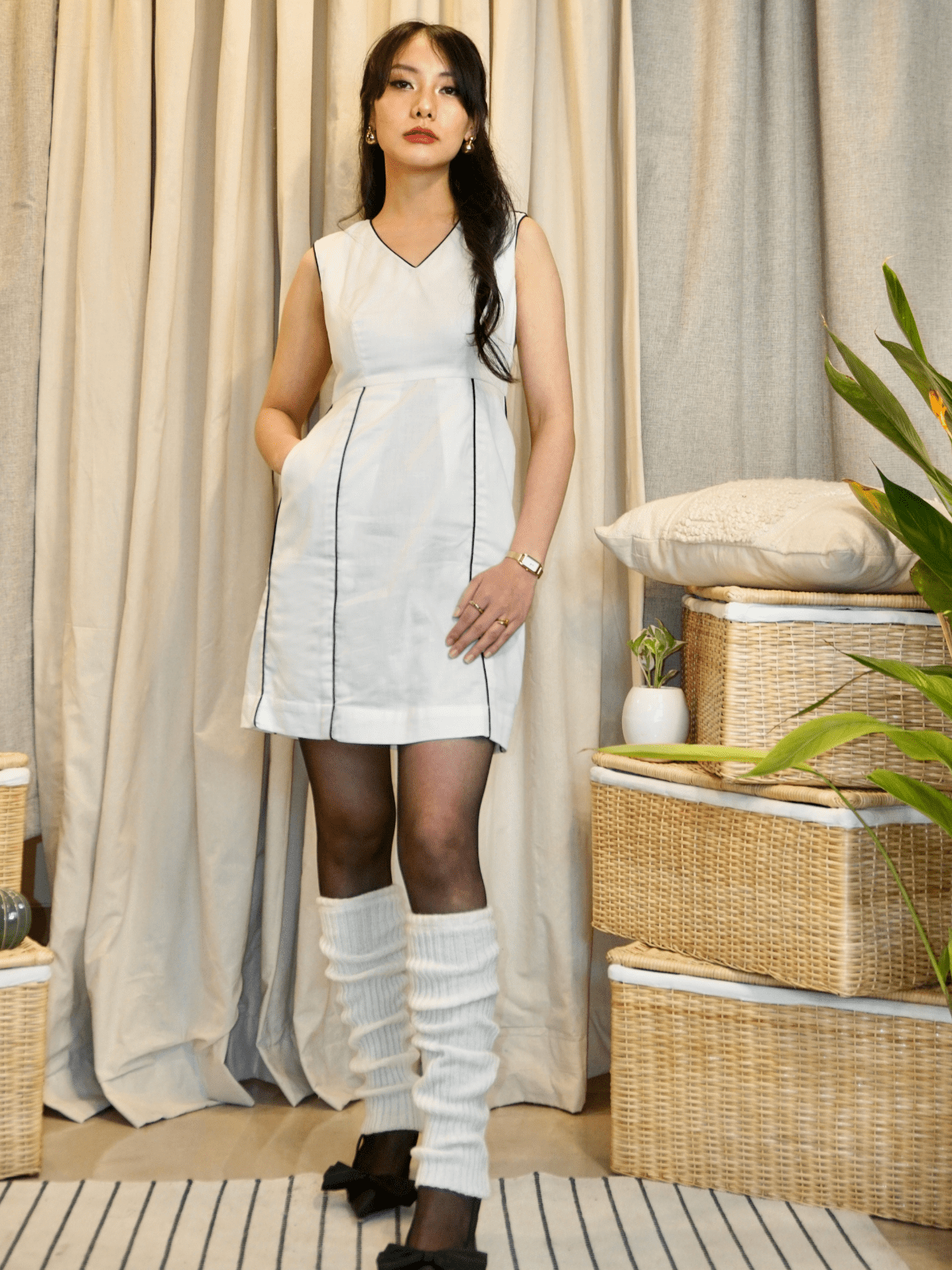
- Blazer + minimal dress
- Monochrome basics
These simple outfit ideas look timeless without trying too hard.
Confidence Comes From Consistency
People with strong personal style often repeat similar outfits.
This consistency creates:
- Stronger identity
- More comfort in dressing
- Greater self-awareness
Minimalist fashion psychology shows that repetition is not boring — it is intentional.
Why Minimal Style Feels Timeless
Simple clothing avoids trend overload.
Minimal style usually focuses on:
- Neutral palettes
- Clean silhouettes
- Versatile pieces
- Subtle detailing
These elements stay relevant longer and reduce the pressure to constantly change.
Simplicity Encourages Authenticity
When clothing is uncomplicated, personality becomes more visible.
Simple dressing style allows people to:
- Express themselves naturally
- Feel less restricted by trends
- Build confidence from within
Authenticity is often more powerful than statement dressing.
Common Mistakes To Avoid
- Confusing minimalism with boring dressing
- Buying excessive basics without purpose
- Ignoring fit and quality
- Dressing for trends instead of comfort
Simple style only works when it feels intentional.
The connection between minimalist fashion psychology and confidence is rooted in clarity and authenticity. A simple dressing style reduces stress, improves consistency, and strengthens self-awareness. The relationship between confidence and clothing proves that minimal fashion benefits go far beyond appearance. With the right simple outfit ideas, simplicity becomes a form of quiet confidence.
Dress simply.
Dress intentionally.
And let confidence speak louder than excess.